.svg)


A full calendar can still include meals that support your energy, strength, and goals. The key is having a simple formula before hunger makes the decision for you.
Healthy on-the-go food options are less about finding one perfect packaged snack and more about knowing how to assemble a satisfying meal wherever you happen to be. The same basic approach can work at a grocery store, an airport kiosk, a convenience store, a coffee stop, or from a small cooler packed before you leave home.
Busy days tend to create two predictable problems. You may wait too long to eat and then choose from peak hunger, or you may grab something small that offers quick energy but does not hold you for long. A little structure solves both. When protein, produce, fiber-rich carbohydrates, and satisfying fats are easy to spot, the decision becomes faster and the meal feels more complete.
This guide gives you portable combinations for real-life situations, along with a flexible formula you can use even when the selection is limited. No elaborate meal prep is required. You simply need a few reliable building blocks and permission to choose the best available option.
The Portable Meal Formula
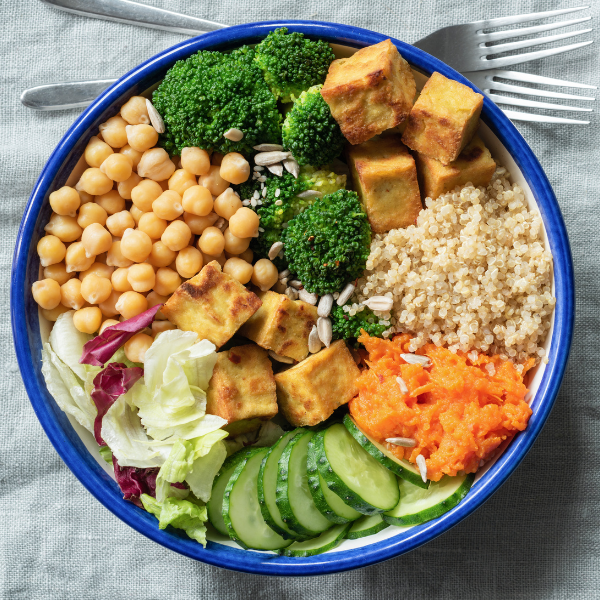
Start by asking one question: Is this a snack that needs to bridge a short gap, or a meal that needs to carry me for several hours? A snack may include two components. A meal usually needs three or four. That distinction keeps you from expecting a handful of nuts to function like lunch or turning every quick stop into a full-size meal.
For a satisfying on-the-go meal, look for these pieces:
Protein: chicken, turkey, eggs, tuna, salmon, beans, lentils, edamame, or a plant-based protein shake.
Produce: fresh fruit, a vegetable cup, a side salad, baby carrots, snap peas, or sliced peppers.
Smart carbohydrate: fruit, potatoes, rice, beans, oats, or another portion that matches your activity and hunger.
Satisfying fat: avocado, guacamole, olives, nuts, seeds, tahini, or a drizzle of olive oil.
Hydration: water, sparkling water, or unsweetened tea to help you arrive at the next stop feeling refreshed.
You won’t always find every piece, and that’s fine. Protein plus produce is a strong starting point. Add a carbohydrate when the meal needs to support a workout, a long afternoon, or higher hunger. Add a little fat when the meal needs more staying power.
At the Convenience Store

Convenience stores can be genuinely useful when you shop the perimeter coolers and simple packaged foods before browsing the snack aisle. Start with one protein item, then add fruit or vegetables and one energy source if you need a full meal.
Try one of these combinations:
Two hard-boiled eggs, a banana, and a small packet of almonds.
A tuna or salmon pouch, an apple, and plain rice cakes.
Turkey slices, a vegetable cup, and a single-serve guacamole cup.
A plant-based protein shake, fresh berries or grapes, and a small portion of nuts.
Roasted edamame or chickpeas, an orange, and an unsweetened tea.
Packaged foods vary, so scan the ingredient list and Nutrition Facts label. The FDA label makes it easier to compare serving size, fiber, sodium, and added sugars. You don’t need to chase the lowest number in every category. Use the label to compare similar products and choose the one that best fits the role it needs to play in your meal.
From the Grocery Grab-and-Go Section
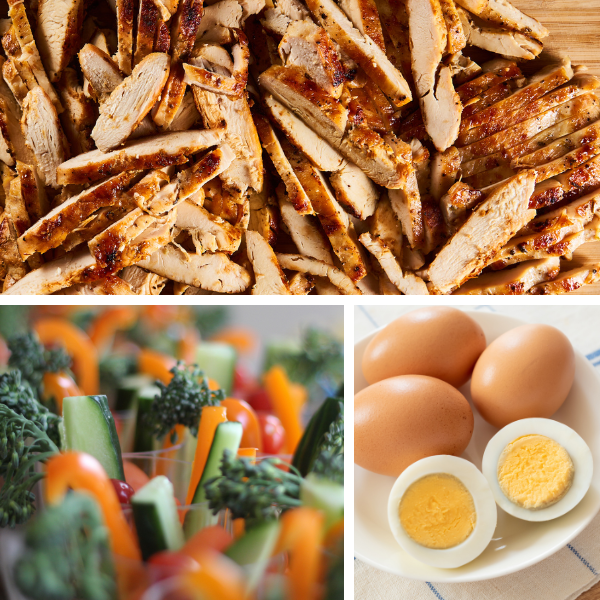
A grocery store may be the most flexible quick-meal stop because you can combine prepared foods with produce and single-serve staples. Think of the store as a giant ingredient bar rather than searching for a ready-made meal that checks every box.
A portion of rotisserie chicken with bagged salad greens and a piece of fruit can become lunch in minutes. Use olive oil, lemon, salsa, or guacamole for flavor. Another option is a prepared rice cup topped with chicken, black beans, pico de gallo, and avocado. Many stores also sell hard-boiled eggs, cut vegetables, plain cooked potatoes, fruit cups, and individual nut packs near the deli or produce department.
For a plant-forward meal, pair plain lentils or beans with chopped vegetables, avocado, and fruit. If the prepared item already includes a generous oil-based dressing, you may not need nuts or avocado as well. Choosing one satisfying fat source keeps the meal balanced without making it feel sparse.
At an Airport or Train Station
Travel hubs can make a normal meal feel unusually complicated. The most helpful move is to stop searching for one ideal entree. Walk through one market or kiosk and build from separate components instead.
Look for eggs, sliced turkey, chicken, tuna pouches, bean cups, fruit, vegetable snack packs, nuts, plain popcorn, or a simple protein drink. A practical airport meal might be eggs with fruit and almonds, or turkey with a vegetable cup and a banana. If you find a salad, add a clear protein source and use the dressing amount that tastes good without soaking the greens.
Hydration deserves extra attention while traveling. Bring an empty bottle through security and fill it afterward, or buy water before boarding. Salty packaged foods, dry cabin air, and a shifted schedule can all make thirst harder to recognize. Steady sipping is more comfortable than trying to catch up all at once.
When the Coffee Shop Is the Only Stop

Coffee shops are designed around beverages and baked goods, so the food selection may be limited. Use the same assembly strategy: find the most substantial protein option available, add fruit, and decide whether you need another carbohydrate source.
Some locations carry hard-boiled eggs, nut packets, fruit cups, apples, bananas, vegetable snack packs, or packaged plant-based protein drinks. A coffee plus a banana may feel convenient, but it often works better as part of a snack than as a complete lunch. Add eggs, nuts, or a protein drink when you need the stop to hold you for several hours.
Sweetened specialty drinks can function more like a dessert than hydration. Order the coffee you actually enjoy, then choose the size and sweetness intentionally. Water alongside coffee is a small habit that helps the stop support your energy instead of becoming the only fluid you drink all morning.

Subscribe to our blog
Lorem ipsum dolor sit amet, consectetur adipiscing elit. Suspendisse varius enim in eros elementum tristique.
.png)
A full calendar can still include meals that support your energy, strength, and goals. The key is having a simple formula before hunger makes the decision for you.
Healthy on-the-go food options are less about finding one perfect packaged snack and more about knowing how to assemble a satisfying meal wherever you happen to be. The same basic approach can work at a grocery store, an airport kiosk, a convenience store, a coffee stop, or from a small cooler packed before you leave home.
Busy days tend to create two predictable problems. You may wait too long to eat and then choose from peak hunger, or you may grab something small that offers quick energy but does not hold you for long. A little structure solves both. When protein, produce, fiber-rich carbohydrates, and satisfying fats are easy to spot, the decision becomes faster and the meal feels more complete.
This guide gives you portable combinations for real-life situations, along with a flexible formula you can use even when the selection is limited. No elaborate meal prep is required. You simply need a few reliable building blocks and permission to choose the best available option.
The Portable Meal Formula
Start by asking one question: Is this a snack that needs to bridge a short gap, or a meal that needs to carry me for several hours? A snack may include two components. A meal usually needs three or four. That distinction keeps you from expecting a handful of nuts to function like lunch or turning every quick stop into a full-size meal.
For a satisfying on-the-go meal, look for these pieces:
Protein: chicken, turkey, eggs, tuna, salmon, beans, lentils, edamame, or a plant-based protein shake.
Produce: fresh fruit, a vegetable cup, a side salad, baby carrots, snap peas, or sliced peppers.
Smart carbohydrate: fruit, potatoes, rice, beans, oats, or another portion that matches your activity and hunger.
Satisfying fat: avocado, guacamole, olives, nuts, seeds, tahini, or a drizzle of olive oil.
Hydration: water, sparkling water, or unsweetened tea to help you arrive at the next stop feeling refreshed.
You won’t always find every piece, and that’s fine. Protein plus produce is a strong starting point. Add a carbohydrate when the meal needs to support a workout, a long afternoon, or higher hunger. Add a little fat when the meal needs more staying power.
At the Convenience Store
Convenience stores can be genuinely useful when you shop the perimeter coolers and simple packaged foods before browsing the snack aisle. Start with one protein item, then add fruit or vegetables and one energy source if you need a full meal.
Try one of these combinations:
Two hard-boiled eggs, a banana, and a small packet of almonds.
A tuna or salmon pouch, an apple, and plain rice cakes.
Turkey slices, a vegetable cup, and a single-serve guacamole cup.
A plant-based protein shake, fresh berries or grapes, and a small portion of nuts.
Roasted edamame or chickpeas, an orange, and an unsweetened tea.
Packaged foods vary, so scan the ingredient list and Nutrition Facts label. The FDA label makes it easier to compare serving size, fiber, sodium, and added sugars. You don’t need to chase the lowest number in every category. Use the label to compare similar products and choose the one that best fits the role it needs to play in your meal.
From the Grocery Grab-and-Go Section
A grocery store may be the most flexible quick-meal stop because you can combine prepared foods with produce and single-serve staples. Think of the store as a giant ingredient bar rather than searching for a ready-made meal that checks every box.
A portion of rotisserie chicken with bagged salad greens and a piece of fruit can become lunch in minutes. Use olive oil, lemon, salsa, or guacamole for flavor. Another option is a prepared rice cup topped with chicken, black beans, pico de gallo, and avocado. Many stores also sell hard-boiled eggs, cut vegetables, plain cooked potatoes, fruit cups, and individual nut packs near the deli or produce department.
For a plant-forward meal, pair plain lentils or beans with chopped vegetables, avocado, and fruit. If the prepared item already includes a generous oil-based dressing, you may not need nuts or avocado as well. Choosing one satisfying fat source keeps the meal balanced without making it feel sparse.
At an Airport or Train Station
Travel hubs can make a normal meal feel unusually complicated. The most helpful move is to stop searching for one ideal entree. Walk through one market or kiosk and build from separate components instead.
Look for eggs, sliced turkey, chicken, tuna pouches, bean cups, fruit, vegetable snack packs, nuts, plain popcorn, or a simple protein drink. A practical airport meal might be eggs with fruit and almonds, or turkey with a vegetable cup and a banana. If you find a salad, add a clear protein source and use the dressing amount that tastes good without soaking the greens.
Hydration deserves extra attention while traveling. Bring an empty bottle through security and fill it afterward, or buy water before boarding. Salty packaged foods, dry cabin air, and a shifted schedule can all make thirst harder to recognize. Steady sipping is more comfortable than trying to catch up all at once.
When the Coffee Shop Is the Only Stop
Coffee shops are designed around beverages and baked goods, so the food selection may be limited. Use the same assembly strategy: find the most substantial protein option available, add fruit, and decide whether you need another carbohydrate source.
Some locations carry hard-boiled eggs, nut packets, fruit cups, apples, bananas, vegetable snack packs, or packaged plant-based protein drinks. A coffee plus a banana may feel convenient, but it often works better as part of a snack than as a complete lunch. Add eggs, nuts, or a protein drink when you need the stop to hold you for several hours.
Sweetened specialty drinks can function more like a dessert than hydration. Order the coffee you actually enjoy, then choose the size and sweetness intentionally. Water alongside coffee is a small habit that helps the stop support your energy instead of becoming the only fluid you drink all morning.
Subscribe to our blog
Lorem ipsum dolor sit amet, consectetur adipiscing elit. Suspendisse varius enim in eros elementum tristique.
Healthy On-the-Go Food Options for Busy Days: A Practical Guide
A full calendar can still include meals that support your energy, strength, and goals. The key is having a simple formula before hunger makes the decision for you.
Healthy on-the-go food options are less about finding one perfect packaged snack and more about knowing how to assemble a satisfying meal wherever you happen to be. The same basic approach can work at a grocery store, an airport kiosk, a convenience store, a coffee stop, or from a small cooler packed before you leave home.
Busy days tend to create two predictable problems. You may wait too long to eat and then choose from peak hunger, or you may grab something small that offers quick energy but does not hold you for long. A little structure solves both. When protein, produce, fiber-rich carbohydrates, and satisfying fats are easy to spot, the decision becomes faster and the meal feels more complete.
This guide gives you portable combinations for real-life situations, along with a flexible formula you can use even when the selection is limited. No elaborate meal prep is required. You simply need a few reliable building blocks and permission to choose the best available option.
The Portable Meal Formula
Start by asking one question: Is this a snack that needs to bridge a short gap, or a meal that needs to carry me for several hours? A snack may include two components. A meal usually needs three or four. That distinction keeps you from expecting a handful of nuts to function like lunch or turning every quick stop into a full-size meal.
For a satisfying on-the-go meal, look for these pieces:
Protein: chicken, turkey, eggs, tuna, salmon, beans, lentils, edamame, or a plant-based protein shake.
Produce: fresh fruit, a vegetable cup, a side salad, baby carrots, snap peas, or sliced peppers.
Smart carbohydrate: fruit, potatoes, rice, beans, oats, or another portion that matches your activity and hunger.
Satisfying fat: avocado, guacamole, olives, nuts, seeds, tahini, or a drizzle of olive oil.
Hydration: water, sparkling water, or unsweetened tea to help you arrive at the next stop feeling refreshed.
You won’t always find every piece, and that’s fine. Protein plus produce is a strong starting point. Add a carbohydrate when the meal needs to support a workout, a long afternoon, or higher hunger. Add a little fat when the meal needs more staying power.
At the Convenience Store
Convenience stores can be genuinely useful when you shop the perimeter coolers and simple packaged foods before browsing the snack aisle. Start with one protein item, then add fruit or vegetables and one energy source if you need a full meal.
Try one of these combinations:
Two hard-boiled eggs, a banana, and a small packet of almonds.
A tuna or salmon pouch, an apple, and plain rice cakes.
Turkey slices, a vegetable cup, and a single-serve guacamole cup.
A plant-based protein shake, fresh berries or grapes, and a small portion of nuts.
Roasted edamame or chickpeas, an orange, and an unsweetened tea.
Packaged foods vary, so scan the ingredient list and Nutrition Facts label. The FDA label makes it easier to compare serving size, fiber, sodium, and added sugars. You don’t need to chase the lowest number in every category. Use the label to compare similar products and choose the one that best fits the role it needs to play in your meal.
From the Grocery Grab-and-Go Section
A grocery store may be the most flexible quick-meal stop because you can combine prepared foods with produce and single-serve staples. Think of the store as a giant ingredient bar rather than searching for a ready-made meal that checks every box.
A portion of rotisserie chicken with bagged salad greens and a piece of fruit can become lunch in minutes. Use olive oil, lemon, salsa, or guacamole for flavor. Another option is a prepared rice cup topped with chicken, black beans, pico de gallo, and avocado. Many stores also sell hard-boiled eggs, cut vegetables, plain cooked potatoes, fruit cups, and individual nut packs near the deli or produce department.
For a plant-forward meal, pair plain lentils or beans with chopped vegetables, avocado, and fruit. If the prepared item already includes a generous oil-based dressing, you may not need nuts or avocado as well. Choosing one satisfying fat source keeps the meal balanced without making it feel sparse.
At an Airport or Train Station
Travel hubs can make a normal meal feel unusually complicated. The most helpful move is to stop searching for one ideal entree. Walk through one market or kiosk and build from separate components instead.
Look for eggs, sliced turkey, chicken, tuna pouches, bean cups, fruit, vegetable snack packs, nuts, plain popcorn, or a simple protein drink. A practical airport meal might be eggs with fruit and almonds, or turkey with a vegetable cup and a banana. If you find a salad, add a clear protein source and use the dressing amount that tastes good without soaking the greens.
Hydration deserves extra attention while traveling. Bring an empty bottle through security and fill it afterward, or buy water before boarding. Salty packaged foods, dry cabin air, and a shifted schedule can all make thirst harder to recognize. Steady sipping is more comfortable than trying to catch up all at once.
When the Coffee Shop Is the Only Stop
Coffee shops are designed around beverages and baked goods, so the food selection may be limited. Use the same assembly strategy: find the most substantial protein option available, add fruit, and decide whether you need another carbohydrate source.
Some locations carry hard-boiled eggs, nut packets, fruit cups, apples, bananas, vegetable snack packs, or packaged plant-based protein drinks. A coffee plus a banana may feel convenient, but it often works better as part of a snack than as a complete lunch. Add eggs, nuts, or a protein drink when you need the stop to hold you for several hours.
Sweetened specialty drinks can function more like a dessert than hydration. Order the coffee you actually enjoy, then choose the size and sweetness intentionally. Water alongside coffee is a small habit that helps the stop support your energy instead of becoming the only fluid you drink all morning.
.png)
Your health reset starts here, and your future self will be glad you began today.
When Fast Food Is the Most Practical Choice
Fast food can absolutely be part of an on-the-go plan. The same portable meal formula still applies: begin with protein, add produce, choose a carbohydrate that fits the day, and be intentional with sauces and extras. A customized bowl or a simple entree with two useful sides often works better than searching for an item marketed as healthy.
These popular-chain orders are easy starting points:
Chipotle: Choose a salad bowl with chicken, black beans, fajita vegetables, fresh tomato salsa, guacamole, and extra lettuce. Add a light portion of rice when you want more energy for a workout or long afternoon.
Chick-fil-A: Pair grilled nuggets with the Kale Crunch Side. Add a fruit cup when the meal needs more volume or carbohydrate.
Taco Bell: Customize a chicken bowl with rice, black beans, lettuce, cabbage, pico de gallo, and guacamole. Leave off the cheese, sour cream, and avocado ranch, then use salsa for extra flavor.
Wendy’s: Combine a small chili with a plain baked potato. Spoon the chili over the potato for a warm, filling meal, and add Apple Bites if you want something fresh on the side.
Subway: Build a rotisserie-style chicken salad with lettuce, spinach, tomatoes, cucumbers, peppers, onions, pickles, and olives. Skip the cheese, use oil and vinegar, and add avocado or extra chicken when you need more staying power.
Menus and availability vary by location, so focus on the structure if an exact item is unavailable. Grilled protein plus vegetables and fruit is one route. A rice-and-bean bowl with salsa and avocado is another. A burger bowl or lettuce-wrapped burger loaded with fresh toppings can also work. Choose the combination that satisfies you, drink water, and let the next meal follow its normal rhythm.
A Small Cooler Changes the Whole Day
A compact cooler is one of the easiest ways to make healthy food on the go feel automatic. You don’t need a week of matching meal-prep containers. Pack one meal and one backup snack before a long day, using foods you already have.
Useful cooler combinations include:
Grilled chicken, cooked rice, cucumber slices, and a guacamole cup.
Turkey roll-ups, grapes, baby carrots, and a packet of almonds.
Two hard-boiled eggs, a small potato, cherry tomatoes, and olives.
A chia cup made with unsweetened plant-based milk, berries, and a side of turkey or eggs.
Leftover taco meat, black beans, cabbage, salsa, and avocado in a portable bowl.
Use an ice pack and keep perishable food cold until you’re ready to eat. Pack a fork, napkin, and any seasoning you enjoy. Those tiny details matter because the healthiest packed meal doesn’t help much when it’s difficult or messy to eat between appointments.
Before or After a Workout
On-the-go nutrition around training doesn’t need to be complicated. Before a workout, choose something easy to digest that provides carbohydrates and a little protein if you have time. A banana with almond butter, applesauce with turkey slices, or fruit with a plant-based protein shake can work well.
After strength training, build a more complete combination with protein and carbohydrate. Try chicken with rice and vegetables, eggs with a potato and fruit, or a plant-based protein shake with a banana and a separate whole-food snack. The FASTer Way program guide uses the same flexible logic: add protein, adjust the carbohydrate source, and fine-tune fats based on your needs rather than rebuilding the entire meal.
Your timing and portion will depend on the workout, your last meal, and when you can eat again. Let the snack solve the immediate need. It doesn’t have to replace a balanced meal later in the day.
Road Trips and Long Activity Days
Road trips, tournament weekends, and all-day errands are easier when you plan for both fresh food and shelf-stable backups. Pack the foods you want to eat first, then keep one emergency option for the moment the cooler is empty or the schedule changes.
A simple road-trip bag might include apples, clementines, individual nut packets, tuna pouches, roasted chickpeas, unsweetened applesauce, plain rice cakes, and a shelf-stable protein drink. In the cooler, add turkey, eggs, chicken, cut vegetables, grapes, and guacamole cups. This gives you enough variety to build a snack or a meal without carrying an entire kitchen.
Portion some foods before you leave so you aren’t eating from a family-size bag while driving. Keep the most nourishing choices within reach and the messy foods in the cooler for a planned stop. Ease matters. When the supportive choice is also the easiest choice, consistency requires far less willpower.
Ten Fast Combinations to Save in Your Phone
Hard-boiled eggs + banana + almonds
Turkey slices + apple + baby carrots + guacamole
Tuna pouch + rice cakes + cucumber slices
Chicken + rice + salsa + avocado
Plant-based protein shake + berries + nuts
Black beans + prepared rice + pico de gallo
Roasted edamame + orange + vegetable cup
Eggs + small potato + cherry tomatoes
Rotisserie chicken + side salad + fruit
Applesauce + turkey + almond butter packet
Avoid the Under-Fueling Trap
A busy schedule can make a snack-sized portion look like a responsible lunch. If you eat a piece of fruit and a few nuts at noon, then feel ravenous by midafternoon, your body is giving you useful information. Add more protein, more volume, or a more substantial carbohydrate portion next time.
The opposite can happen when several individually reasonable items accumulate into a very heavy meal. Nuts, nut butter, avocado, oil-based dressing, and a large shake may all be nutritious choices, but you may not need them in the same sitting. Choose one or two satisfying extras and let protein and produce create the foundation.
Most importantly, keep the next meal normal. A travel snack does not require compensation, and a less-than-ideal stop does not erase your progress. Hydrate, return to your usual rhythm, and use what you learned to make the next busy day easier.
Make Convenience Part of the Plan
Healthy on-the-go food options become much easier when they’re treated as a normal part of the week. Keep two shelf-stable backups in your work bag, restock your cooler supplies with the regular groceries, and note which nearby stores reliably carry the foods you like. That preparation takes minutes and removes dozens of small decisions later.
A sustainable wellness routine has room for traffic, delayed flights, after-school activities, long meetings, and days when cooking isn’t realistic. Build the best available combination, eat enough to support your energy, and continue with confidence. Consistency grows from having a plan that can travel with you.
The FASTer Way Program is a powerful jumpstart that combines:
- Science-backed, whole-food nutrition
- Strategic intermittent fasting + carb cycling
- Strength training workouts that support your hormones
- Daily coaching and a built-in community of women just like you