How Women Can Lose Fat Without Losing Muscle: A Sustainable Approach to Body Recompositio
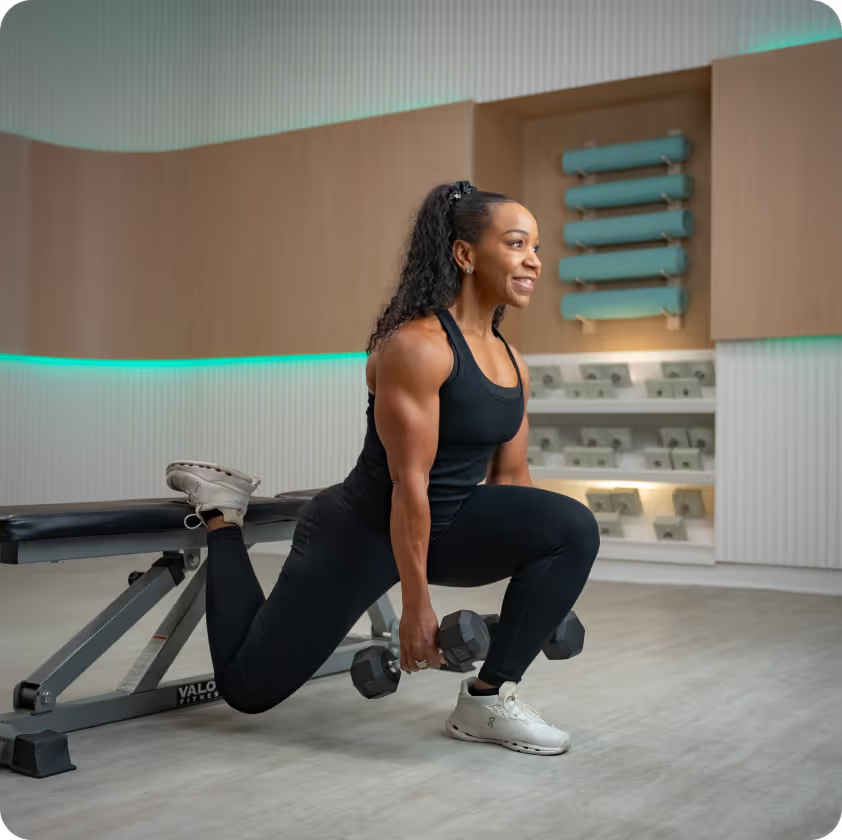
For many women, the goal isn't simply to weigh less—it's to feel stronger, healthier, and more confident.
That's why more women are shifting their focus from weight loss to body recomposition: reducing body fat while maintaining or building lean muscle.
While the number on the scale may change, it doesn't tell the whole story. Two people can weigh the same but have very different body compositions, energy levels, and fitness.
If your goal is to look toned, improve your strength, and support long-term health, preserving muscle while losing fat is an important part of the equation.
At FASTer Way, this balanced approach is central to how we coach women. Rather than chasing quick fixes, the program emphasizes sustainable habits that support both body composition and overall wellness.
What Is Body Recomposition?
Body recomposition refers to changing the ratio of body fat to lean muscle.
Instead of focusing only on losing weight, the goal is to:
- Reduce body fat
- Maintain or build lean muscle
- Improve strength
- Support overall health
Because muscle is denser than fat, changes in body composition may not always be reflected by the scale alone. Many women notice improvements in how they feel, how their clothes fit, and their performance in workouts even when the scale changes slowly.
Why Muscle Matters
Muscle does much more than help you lift heavier weights.
Lean muscle supports:
- Everyday strength
- Functional movement
- Healthy aging
- Bone health
- Workout performance
- Overall physical function
For active women, maintaining muscle is an important part of staying strong and resilient over time.
Why Crash Diets Can Work Against Your Goals
It's tempting to believe that eating as little as possible is the fastest way to lose weight.
In reality, very restrictive diets can make it difficult to maintain muscle mass, especially if they don't include enough protein or resistance training.
Crash diets are also difficult to sustain, which is one reason many people regain weight after they end.
A more balanced approach focuses on gradual, sustainable changes rather than extreme restriction.
1. Prioritize Strength Training
If your goal is to preserve muscle while losing fat, strength training should be one of the cornerstones of your routine.
Resistance training provides your muscles with the stimulus they need to adapt and stay strong.
Examples include:
- Squats
- Deadlift variations
- Lunges
- Rows
- Chest presses
- Shoulder presses
- Glute bridges
- Core exercises
FASTer Way programs include progressive strength training designed for a variety of experience levels, whether you work out at home or in a gym.
2. Eat Enough Protein
Protein plays an important role in supporting muscle maintenance and recovery.
Including protein throughout the day can help you:
- Feel satisfied after meals
- Support recovery from workouts
- Maintain lean muscle while pursuing fat-loss goals
Good protein choices include:
- Chicken
- Turkey
- Fish
- Lean beef
- Eggs
- Tofu
- Tempeh
- Edamame
- Beans and lentils
- Protein shakes, if appropriate for your needs
Your individual protein needs depend on factors such as activity level, age, body size, and goals. A registered dietitian or qualified coach can help determine an appropriate intake.
3. Don't Eliminate Carbohydrates
Carbohydrates often get blamed for weight gain, but they serve as an important source of energy.
They help fuel:
- Strength workouts
- Walking
- Running
- Daily activities
- Recovery
Choosing mostly nutrient-dense carbohydrate sources—such as fruit, vegetables, oats, potatoes, beans, and whole grains (when they fit your dietary preferences)—can support an active lifestyle.
4. Include Healthy Fats
Healthy fats are essential for many body functions, including hormone production and nutrient absorption.
Examples include:
- Avocados
- Olive oil
- Nuts
- Seeds
- Fatty fish
- Nut butters
A balanced eating pattern includes appropriate amounts of all three macronutrients: protein, carbohydrates, and fats.
5. Avoid the "More Is Better" Mindset
More workouts aren't always better.
Recovery is a key part of any fitness plan.
Your body needs time to repair and adapt after resistance training.
Healthy recovery habits include:
- Getting enough sleep
- Staying hydrated
- Taking rest days
- Managing stress
- Eating balanced meals
6. Track More Than the Scale
The scale is only one way to measure progress.
Other indicators include:
- Increased strength
- Better energy
- Improved endurance
- Clothes fitting differently
- Progress photos
- Workout performance
- Healthy habits becoming more consistent
These measures often provide a more complete picture of your progress.
7. Stay Consistent
One of the biggest differences between short-term success and long-term success is consistency.
Small, repeatable habits practiced over weeks and months often lead to more sustainable results than extreme approaches that are difficult to maintain.
FASTer Way emphasizes building routines that fit real life, making it easier to stay consistent even during busy seasons.
Common Mistakes Women Make
Only Doing Cardio
Cardiovascular exercise has many health benefits, but relying on cardio alone may not provide the same muscle-building stimulus as resistance training.
A balanced fitness routine often includes both.
Skipping Recovery
Recovery isn't a sign of weakness—it's part of progress.
Rest days help your body recover and prepare for future workouts.
Underestimating Nutrition
Exercise is only one piece of the puzzle.
Balanced nutrition provides the fuel your body needs for everyday life and physical activity.
Chasing Quick Fixes
Extreme diets and "magic" solutions rarely create lasting habits.
Instead, focus on building routines you can continue long after your initial goals are met.
How FASTer Way Supports Body Recomposition
FASTer Way combines several key elements into one program:
- Progressive strength training
- Strategic nutrition education
- Personalized coaching
- Meal planning resources
- Recipes
- Habit coaching
- Progress tracking
- Community support
Rather than focusing on rapid changes, the program encourages steady progress and sustainable lifestyle habits.
Frequently Asked Questions
Can I lose fat and build muscle at the same time?
Some people—particularly beginners or those returning to exercise—may experience improvements in both fat loss and muscle development over time. Individual results vary based on training, nutrition, recovery, and other factors.
Should I stop doing cardio?
Not necessarily. Cardio offers many cardiovascular health benefits and can complement a strength-training program.
Do I need to count calories?
Some people find tracking helpful, while others prefer a more intuitive approach. FASTer Way teaches nutrition principles and provides coaching so members can choose an approach that fits their goals.
How often should I strength train?
Many women benefit from two to four strength-training sessions per week, depending on their experience, goals, and schedule.
A Sustainable Path to Feeling Stronger
Losing fat without sacrificing muscle isn't about perfection or following the latest trend.
It's about combining thoughtful nutrition, progressive strength training, recovery, and consistency.
At FASTer Way, we believe lasting results come from building habits you can maintain—not from extreme restrictions or endless hours in the gym.
If you're looking for a program that brings together expert coaching, nutrition education, strength training, and an all-in-one app, FASTer Way provides the structure and support to help you move toward your goals with confidence.
Ready to Build Strength While Working Toward Your Goals?
Join FASTer Way to access guided workouts, personalized coaching, strategic nutrition resources, and a supportive community designed to help you create healthy habits that last.