.svg)


If Your Workouts Aren’t “Working” Like They Used To—Read This…
You’re eating clean, showing up to your workouts, and maybe even pushing harder than ever... but your energy is tanked, the scale won’t budge, and your go-to routines just aren’t cutting it anymore.
Sound familiar? Welcome to perimenopause—where your body plays by new rules.
Hormonal shifts in your late 30s and 40s can change everything from how you recover to how efficiently your body burns fat and builds muscle. But that doesn’t mean you can’t feel stronger, leaner, and more energized than ever. In fact, this is your invitation to level up—smarter.
Here’s how to train, fuel, and recover in a way that supports your hormones, boosts energy, and actually delivers results.
1. Fast Smart and Fuel Well
Intermittent fasting is still one of the most powerful tools for women in perimenopause—when done in a way that supports your hormones instead of stressing them out.
As estrogen and progesterone fluctuate, your body becomes more sensitive to cortisol. That means extreme fasting windows, skipping meals, or under-fueling during busy or stressful seasons can actually work against you. Think: fatigue, blood sugar swings, cravings, stubborn belly fat, and decreased muscle mass.
So instead of pushing harder, we focus on fasting smarter.
Here’s what that looks like in FASTer Way:
- Start with a 16:8 fasting window if your stress, sleep, and recovery are solid.
- Shift to 14:10 or 12:12 during high-stress weeks, poor sleep, or when your cycle symptoms feel intense.
- Break your fast with protein, fiber-rich carbs, and whole-food fats to stabilize blood sugar and support satiety.
And then there's the piece most women don’t hear enough:
Timing Between Meals Matters Too
Perimenopause is all about stabilizing blood sugar and calming cortisol. That means spacing your meals can be just as important as your fasting window.
When you give your body 3–4 hours between meals:
- insulin has time to come down
- digestion improves
- cravings drop
- mood and energy stabilize
- nighttime sleep gets better
- your body becomes more metabolically flexible
This balanced approach—strategic fasting + intentional meal timing—is what helps perimenopausal women finally feel energized, lean, clear-headed, and in control again.
2. Strength Training Isn’t Optional—It’s the Answer
If you're still grinding away at endless cardio hoping to "burn more calories," it's time to rethink your strategy.
Estrogen plays a key role in muscle maintenance. As it begins to decline in perimenopause, your risk for muscle loss and metabolic slowdown increases. That’s why strength training is non-negotiable.
Focus on:
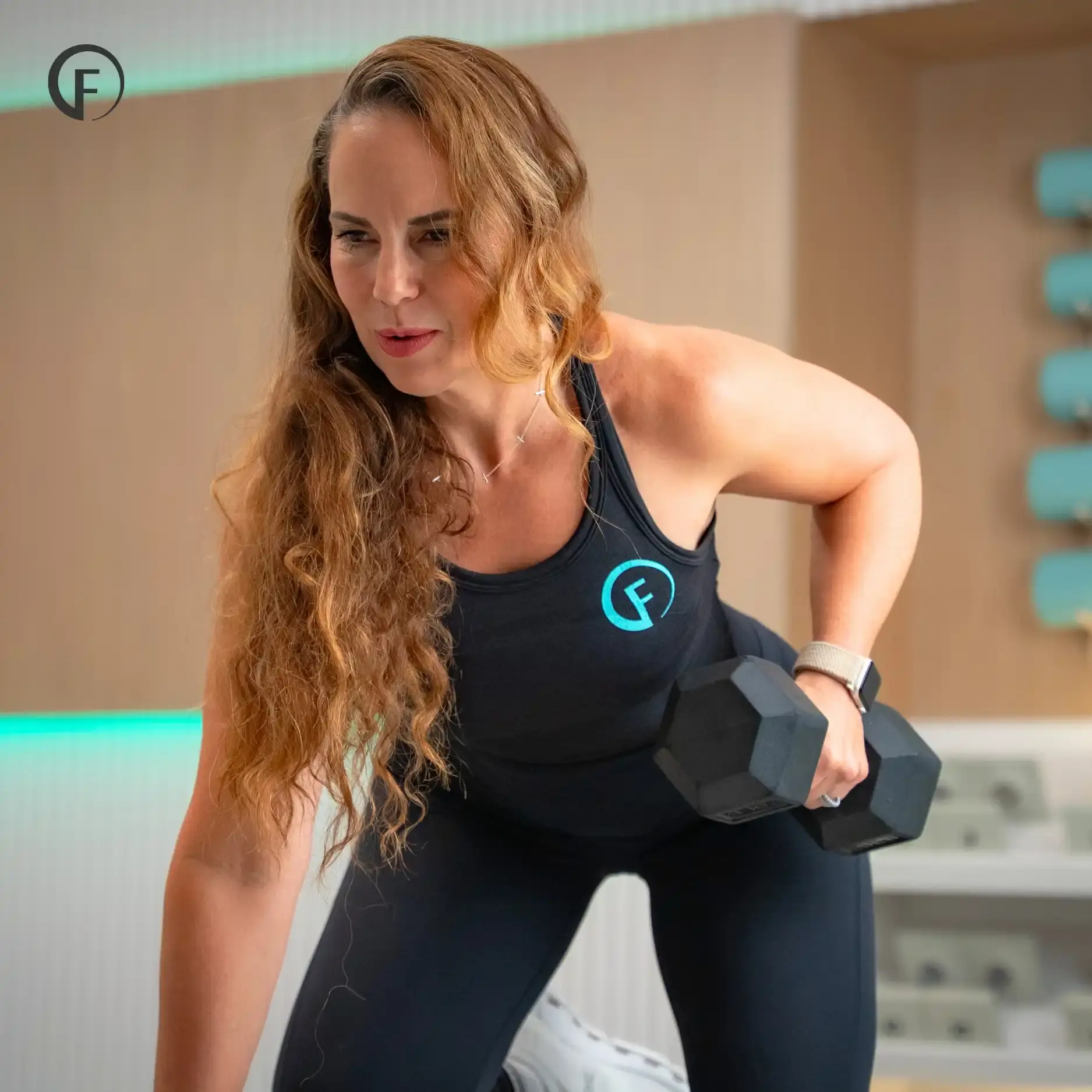
- 3–4 sessions/week of resistance training
- Compound movements like squats, deadlifts, presses
- Progressive overload (gradually increasing weight or reps)
- Recovery days in between
If your goals is fat loss—then muscle preservation and growth is the answer. The more muscle you have, the higher your resting metabolism and the better your insulin sensitivity.
Plus, strength training supports bone health, mental clarity, and mood. (Yes, lifting heavy things helps with PMS, too.)
3. Use Carbs as a Tool—Not a Cheat
Carbs have gotten a bad reputation, but here’s the truth: you need them—especially in perimenopause. The trick is when and how you use them.
On strength training days:
- Fuel with complex carbs before and after training to support energy, performance, and muscle recovery.
- Think sweet potatoes, berries, gluten-free oats, or rice with protein.
On cardio, HIIT or recovery days:
- Scale back—but don’t eliminate.
- Choose fiber-rich carbs like leafy greens, cruciferous veggies, and legumes to support estrogen detox and gut health.
This approach—called carb cycling—helps you balance hormones, avoid blood sugar spikes, and still enjoy the foods you love. It’s one of the most effective fat loss tools in the FASTer Way Program because it works with your body, not against it.
4. Supplement What Perimenopause Depletes
You don’t need a shelf full of supplements, but you do need targeted support. Certain nutrients become harder to get or absorb during perimenopause—so smart supplementation can bridge the gap and accelerate your results.
Here’s what to prioritize:
Creatine Monohydrate: Supports muscle strength, recovery, and even cognitive function (hello, brain fog). Women 40+ benefit greatly from this well-researched staple.
Collagen Peptides: Helps repair joints, skin, and connective tissue—especially important as estrogen declines. Look for clean, hydrolyzed collagen with types I and III.
Clean Protein Powder: Most women under-eat protein, especially in the mornings. A quality shake makes it easier to hit your daily target (aim for 100–120g/day minimum).
Hydration + Electrolytes: Perimenopause increases your body’s need for minerals and electrolytes, especially if you’re fasting, sweating, or waking up with night sweats. Prioritizing hydration helps regulate cravings, energy, digestion, and cortisol rhythm. The right electrolyte blend can make or break your results.
These alone can reduce inflammation, boost recovery, and support lean muscle—all critical for hormone health and fat loss in this season.
Subscribe to our blog
Lorem ipsum dolor sit amet, consectetur adipiscing elit. Suspendisse varius enim in eros elementum tristique.
If Your Workouts Aren’t “Working” Like They Used To—Read This…
You’re eating clean, showing up to your workouts, and maybe even pushing harder than ever... but your energy is tanked, the scale won’t budge, and your go-to routines just aren’t cutting it anymore.
Sound familiar? Welcome to perimenopause—where your body plays by new rules.
Hormonal shifts in your late 30s and 40s can change everything from how you recover to how efficiently your body burns fat and builds muscle. But that doesn’t mean you can’t feel stronger, leaner, and more energized than ever. In fact, this is your invitation to level up—smarter.
Here’s how to train, fuel, and recover in a way that supports your hormones, boosts energy, and actually delivers results.
1. Fast Smart and Fuel Well
Intermittent fasting is still one of the most powerful tools for women in perimenopause—when done in a way that supports your hormones instead of stressing them out.
As estrogen and progesterone fluctuate, your body becomes more sensitive to cortisol. That means extreme fasting windows, skipping meals, or under-fueling during busy or stressful seasons can actually work against you. Think: fatigue, blood sugar swings, cravings, stubborn belly fat, and decreased muscle mass.
So instead of pushing harder, we focus on fasting smarter.
Here’s what that looks like in FASTer Way:
- Start with a 16:8 fasting window if your stress, sleep, and recovery are solid.
- Shift to 14:10 or 12:12 during high-stress weeks, poor sleep, or when your cycle symptoms feel intense.
- Break your fast with protein, fiber-rich carbs, and whole-food fats to stabilize blood sugar and support satiety.
And then there's the piece most women don’t hear enough:
Timing Between Meals Matters Too
Perimenopause is all about stabilizing blood sugar and calming cortisol. That means spacing your meals can be just as important as your fasting window.
When you give your body 3–4 hours between meals:
- insulin has time to come down
- digestion improves
- cravings drop
- mood and energy stabilize
- nighttime sleep gets better
- your body becomes more metabolically flexible
This balanced approach—strategic fasting + intentional meal timing—is what helps perimenopausal women finally feel energized, lean, clear-headed, and in control again.
2. Strength Training Isn’t Optional—It’s the Answer
If you're still grinding away at endless cardio hoping to "burn more calories," it's time to rethink your strategy.
Estrogen plays a key role in muscle maintenance. As it begins to decline in perimenopause, your risk for muscle loss and metabolic slowdown increases. That’s why strength training is non-negotiable.
Focus on:
- 3–4 sessions/week of resistance training
- Compound movements like squats, deadlifts, presses
- Progressive overload (gradually increasing weight or reps)
- Recovery days in between
If your goals is fat loss—then muscle preservation and growth is the answer. The more muscle you have, the higher your resting metabolism and the better your insulin sensitivity.
Plus, strength training supports bone health, mental clarity, and mood. (Yes, lifting heavy things helps with PMS, too.)
3. Use Carbs as a Tool—Not a Cheat
Carbs have gotten a bad reputation, but here’s the truth: you need them—especially in perimenopause. The trick is when and how you use them.
On strength training days:
- Fuel with complex carbs before and after training to support energy, performance, and muscle recovery.
- Think sweet potatoes, berries, gluten-free oats, or rice with protein.
On cardio, HIIT or recovery days:
- Scale back—but don’t eliminate.
- Choose fiber-rich carbs like leafy greens, cruciferous veggies, and legumes to support estrogen detox and gut health.
This approach—called carb cycling—helps you balance hormones, avoid blood sugar spikes, and still enjoy the foods you love. It’s one of the most effective fat loss tools in the FASTer Way Program because it works with your body, not against it.
4. Supplement What Perimenopause Depletes
You don’t need a shelf full of supplements, but you do need targeted support. Certain nutrients become harder to get or absorb during perimenopause—so smart supplementation can bridge the gap and accelerate your results.
Here’s what to prioritize:
Creatine Monohydrate: Supports muscle strength, recovery, and even cognitive function (hello, brain fog). Women 40+ benefit greatly from this well-researched staple.
Collagen Peptides: Helps repair joints, skin, and connective tissue—especially important as estrogen declines. Look for clean, hydrolyzed collagen with types I and III.
Clean Protein Powder: Most women under-eat protein, especially in the mornings. A quality shake makes it easier to hit your daily target (aim for 100–120g/day minimum).
Hydration + Electrolytes: Perimenopause increases your body’s need for minerals and electrolytes, especially if you’re fasting, sweating, or waking up with night sweats. Prioritizing hydration helps regulate cravings, energy, digestion, and cortisol rhythm. The right electrolyte blend can make or break your results.
These alone can reduce inflammation, boost recovery, and support lean muscle—all critical for hormone health and fat loss in this season.
Subscribe to our blog
Lorem ipsum dolor sit amet, consectetur adipiscing elit. Suspendisse varius enim in eros elementum tristique.
How Do I Train Smarter (Not Harder) in Perimenopause?

If Your Workouts Aren’t “Working” Like They Used To—Read This…
You’re eating clean, showing up to your workouts, and maybe even pushing harder than ever... but your energy is tanked, the scale won’t budge, and your go-to routines just aren’t cutting it anymore.
Sound familiar? Welcome to perimenopause—where your body plays by new rules.
Hormonal shifts in your late 30s and 40s can change everything from how you recover to how efficiently your body burns fat and builds muscle. But that doesn’t mean you can’t feel stronger, leaner, and more energized than ever. In fact, this is your invitation to level up—smarter.
Here’s how to train, fuel, and recover in a way that supports your hormones, boosts energy, and actually delivers results.
1. Fast Smart and Fuel Well
Intermittent fasting is still one of the most powerful tools for women in perimenopause—when done in a way that supports your hormones instead of stressing them out.
As estrogen and progesterone fluctuate, your body becomes more sensitive to cortisol. That means extreme fasting windows, skipping meals, or under-fueling during busy or stressful seasons can actually work against you. Think: fatigue, blood sugar swings, cravings, stubborn belly fat, and decreased muscle mass.
So instead of pushing harder, we focus on fasting smarter.
Here’s what that looks like in FASTer Way:
- Start with a 16:8 fasting window if your stress, sleep, and recovery are solid.
- Shift to 14:10 or 12:12 during high-stress weeks, poor sleep, or when your cycle symptoms feel intense.
- Break your fast with protein, fiber-rich carbs, and whole-food fats to stabilize blood sugar and support satiety.
And then there's the piece most women don’t hear enough:
Timing Between Meals Matters Too
Perimenopause is all about stabilizing blood sugar and calming cortisol. That means spacing your meals can be just as important as your fasting window.
When you give your body 3–4 hours between meals:
- insulin has time to come down
- digestion improves
- cravings drop
- mood and energy stabilize
- nighttime sleep gets better
- your body becomes more metabolically flexible
This balanced approach—strategic fasting + intentional meal timing—is what helps perimenopausal women finally feel energized, lean, clear-headed, and in control again.
2. Strength Training Isn’t Optional—It’s the Answer
If you're still grinding away at endless cardio hoping to "burn more calories," it's time to rethink your strategy.
Estrogen plays a key role in muscle maintenance. As it begins to decline in perimenopause, your risk for muscle loss and metabolic slowdown increases. That’s why strength training is non-negotiable.
Focus on:
- 3–4 sessions/week of resistance training
- Compound movements like squats, deadlifts, presses
- Progressive overload (gradually increasing weight or reps)
- Recovery days in between
If your goals is fat loss—then muscle preservation and growth is the answer. The more muscle you have, the higher your resting metabolism and the better your insulin sensitivity.
Plus, strength training supports bone health, mental clarity, and mood. (Yes, lifting heavy things helps with PMS, too.)
3. Use Carbs as a Tool—Not a Cheat
Carbs have gotten a bad reputation, but here’s the truth: you need them—especially in perimenopause. The trick is when and how you use them.
On strength training days:
- Fuel with complex carbs before and after training to support energy, performance, and muscle recovery.
- Think sweet potatoes, berries, gluten-free oats, or rice with protein.
On cardio, HIIT or recovery days:
- Scale back—but don’t eliminate.
- Choose fiber-rich carbs like leafy greens, cruciferous veggies, and legumes to support estrogen detox and gut health.
This approach—called carb cycling—helps you balance hormones, avoid blood sugar spikes, and still enjoy the foods you love. It’s one of the most effective fat loss tools in the FASTer Way Program because it works with your body, not against it.
4. Supplement What Perimenopause Depletes
You don’t need a shelf full of supplements, but you do need targeted support. Certain nutrients become harder to get or absorb during perimenopause—so smart supplementation can bridge the gap and accelerate your results.
Here’s what to prioritize:
Creatine Monohydrate: Supports muscle strength, recovery, and even cognitive function (hello, brain fog). Women 40+ benefit greatly from this well-researched staple.
Collagen Peptides: Helps repair joints, skin, and connective tissue—especially important as estrogen declines. Look for clean, hydrolyzed collagen with types I and III.
Clean Protein Powder: Most women under-eat protein, especially in the mornings. A quality shake makes it easier to hit your daily target (aim for 100–120g/day minimum).
Hydration + Electrolytes: Perimenopause increases your body’s need for minerals and electrolytes, especially if you’re fasting, sweating, or waking up with night sweats. Prioritizing hydration helps regulate cravings, energy, digestion, and cortisol rhythm. The right electrolyte blend can make or break your results.
These alone can reduce inflammation, boost recovery, and support lean muscle—all critical for hormone health and fat loss in this season.
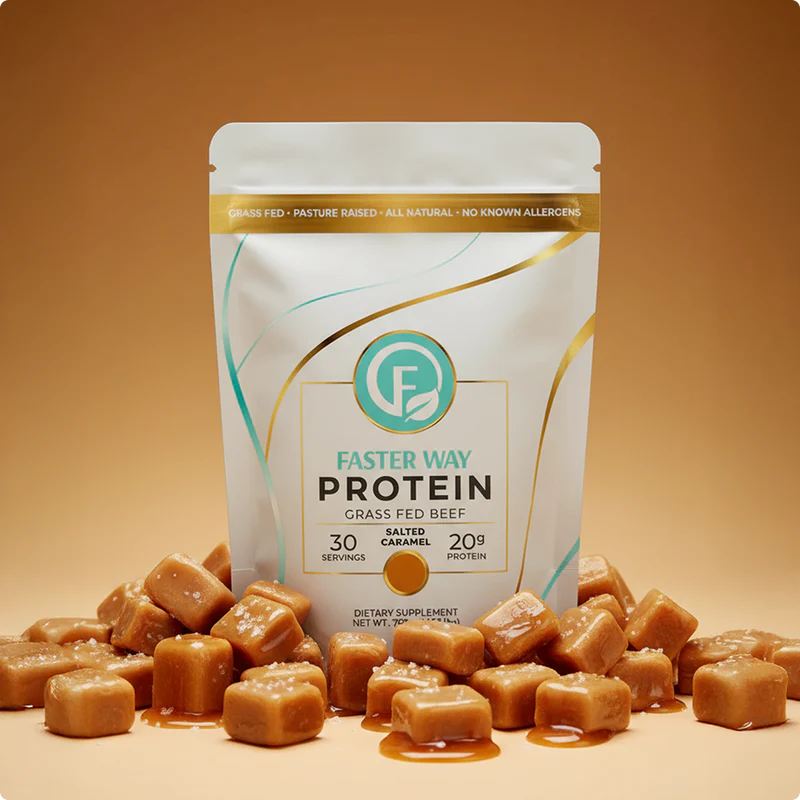
Check out the FASTer Way Shop for clean, third-party tested, high-quality products formulated specifically for women in perimenopause.
5. Prioritize Recovery Like Your Results Depend On It (Because They Do)
If there’s one area that gets overlooked the most—it’s recovery.
You can’t out-train poor sleep, high stress, or chronic inflammation. And in perimenopause, recovery isn’t optional—it’s where the magic happens.
Here’s what that looks like:
- 7–9 hours of sleep per night (non-negotiable)
- Hydration—aim for 80–100oz of water with electrolytes daily
- Daily movement—low-intensity walking, stretching, mobility
- One to two rest days per week (yes, really)
- Intentional stress management—deep breathing, journaling, sunlight, therapy
Your nervous system needs calm for your metabolism to work efficiently. That’s why in the FASTer Way, we train hard, but we also recover smart.
Final Takeaway: Strong, Energized, and Confident Is Still on the Table
Perimenopause isn’t the beginning of the end—it’s a wake-up call. Your body is changing, but that doesn’t mean you have to accept fatigue, stubborn fat, or inconsistent results.
The women who thrive in this stage don’t double down on what used to work—they adapt. They get strategic. They listen to their bodies and train with their hormones, not against them.
And when you do that? You don’t just survive perimenopause—you crush it.
At FASTer Way, we give you the exact tools to:
- Strength train the right way
- Fuel your body with whole-food macros
- Strategically use intermittent fasting and carb cycling
- Support your recovery and hormone health every step of the way
You’re not too old. You’re not doing it wrong. You just need a smarter strategy—and the support to stay consistent.

Ready to train smarter and feel stronger than ever?
Join our next FASTer Way Program and learn how to align your workouts, macros, and mindset for real, sustainable results.

