.svg)


Retatrutide: What You Need to Know About This Next-Generation Weight Loss Medication
Every few months, a new name enters the weight loss conversation.
Most fade quickly.
Some shift the landscape.
Right now, that name is retatrutide.
If you’ve been hearing it alongside GLP-1 medications, weight loss injections, and metabolic health conversations, you’re not imagining it.
Retatrutide is gaining attention as an investigational medication studied as a triple hormone receptor agonist, targeting GLP-1, GIP, and glucagon pathways. In clinical research, this combination has been associated with meaningful changes in body weight and cardiometabolic markers, even though it is still investigational and not yet FDA-approved.
(New England Journal of Medicine)
What Is Retatrutide?
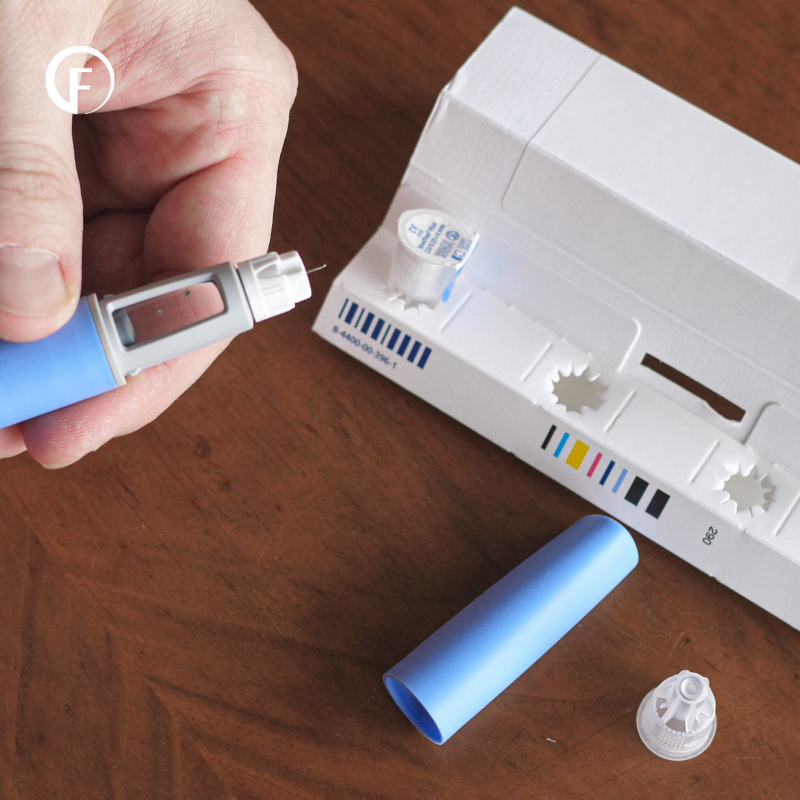
Retatrutide is an investigational, once-weekly injectable medication being developed by Eli Lilly.
It is being studied as a triple hormone receptor agonist, meaning it targets three key pathways involved in metabolism: GLP-1, GIP, and glucagon. This multi-pathway approach is one reason it’s generating so much attention in obesity and metabolic research.
(New England Journal of Medicine)
In a Phase 2 trial published in The New England Journal of Medicine, adults with obesity who did not have type 2 diabetes lost an average of up to 24.2% of body weight at 48 weeks at the highest studied dose. The same study reported gastrointestinal side effects as the most common adverse events, along with dose-related increases in heart rate.
(New England Journal of Medicine)
The results are impressive.
But they are still early and still investigational.
Translation: this is a promising area of medicine, but not something to self-prescribe, experiment with, or source from unregulated channels.
How Does Retatrutide Work?
Retatrutide acts on three hormone systems involved in appetite, blood sugar regulation, and energy balance:
- GLP-1 → helps regulate appetite and slows gastric emptying
- GIP → supports insulin response and metabolic signaling
- Glucagon → may increase energy expenditure and fat metabolism
- (New England Journal of Medicine)
This combination is part of why researchers are watching retatrutide so closely.
In addition to weight loss, studies have reported improvements in blood pressure, lipids, glycemia, and liver fat markers. (New England Journal of Medicine)
Is Retatrutide FDA-Approved?
As of March 25, 2026, no. Retatrutide remains investigational.
Eli Lilly is currently running multiple Phase 3 and Phase 3b trials across obesity, overweight, type 2 diabetes, and related conditions. While early data is promising, investigational does not mean approved.
There are also no FDA-approved compounded versions of retatrutide.
That distinction matters . A lot.
Benefits of Retatrutide
The research is promising, but it’s important to separate potential from guarantees.
1. Significant weight loss support
In clinical trials, higher doses were associated with greater average weight loss over time.
(New England Journal of Medicine)
2. Possible metabolic improvements
Participants experienced changes in cardiometabolic markers like blood pressure, lipids, and glycemia.
(New England Journal of Medicine)
3. Liver fat reduction in some patients
In a Phase 2a substudy in people with obesity and MASLD, retatrutide was associated with substantial reductions in liver fat, with more than 85% of participants in higher dose groups achieving steatosis resolution by study definition.
(Nature)
But real-life results don’t come from a prescription alone.
They come from consistency, support, and habits you can actually sustain
…a message your FASTer Way family returns to again and again.
Retatrutide Side Effects: What People Should Know
The most commonly reported side effects in clinical research were gastrointestinal, including
nausea, diarrhea, vomiting, and constipation.
These effects were dose-related and more common compared to placebo. Increases in heart rate were also observed.
(New England Journal of Medicine)
This doesn’t mean everyone will experience side effects, but it does mean this is not something to approach casually or based on social media alone.
If someone is considering any anti-obesity medication, it should be part of a broader care plan that includes nutrition, movement, monitoring, and follow-up. The National Institute of Diabetes and Digestive and Kidney Diseases
NIDDK emphasizes that weight loss medications should be paired
with a healthy eating plan and physical activity. (NIDDK)
What Retatrutide Does Not Replace
Even the most advanced medication does not replace the fundamentals.
It does not replace:
- Adequate protein
- Resistance training
- Hydration
- Sleep
- Behavior change
- Support
- Sustainable structure
How to Support Your Body While Using a Weight Loss Medication
If you’re using a medically supervised medication, or considering one, this is where results are protected and sustained:
Prioritize protein
Protein becomes even more important during weight loss, especially when appetite is reduced. It helps preserve lean muscle, supports recovery, and keeps you feeling fuller with less food.
Without enough protein, weight loss can come at the expense of muscle, not just body fat.
Inside FASTer Way, protein is a non-negotiable foundation. We guide clients in hitting daily protein targets in a way that feels simple and sustainable, so you’re not guessing, under-eating, or losing strength as you lose weight.
Strength train consistently
Weight loss without resistance training often leads to muscle loss and slower metabolism.
Strength training signals your body to hold onto muscle while losing fat, which is critical for both how you look and how you feel.
FASTer Way is built on this principle. Our structured, 30-minute strength workouts are designed to be effective, efficient, and realistic, so you can build strength, support metabolism, and protect your results long-term.
Keep meals balanced
Even with reduced hunger, what you eat still matters.
Balanced meals that include:
- Protein
- Fiber-rich carbohydrates
- Healthy fats
help support energy, blood sugar stability, and overall nutrition.
FASTer Way encourages a lifestyle-based approach, not restriction. We teach you how to build meals that fuel your body, support your goals, and fit into real life, so you’re not relying on extremes or short-term fixes.
Stay hydrated
Hydration impacts energy, digestion, and recovery, yet it’s often overlooked.
FASTer Way encourages simple daily habits like hydration that support how your body feels and performs.
Don’t skip support
Sustainable fat loss isn’t just about what you do, it’s about what you can stick with.
The National Institute of Diabetes and Digestive and Kidney Diseases (NIDDK) highlights that successful weight loss programs often include ongoing feedback, accountability, and support.
That’s exactly where FASTer Way stands out.
With coaching, structure, and community, you’re not left figuring it out on your own. You have guidance, accountability, and a system that helps you stay consistent, even when motivation isn’t there.
(NIDDK)

Subscribe to our blog
Lorem ipsum dolor sit amet, consectetur adipiscing elit. Suspendisse varius enim in eros elementum tristique.
Retatrutide: What You Need to Know About This Next-Generation Weight Loss Medication
Every few months, a new name enters the weight loss conversation.
Most fade quickly.
Some shift the landscape.
Right now, that name is retatrutide.
If you’ve been hearing it alongside GLP-1 medications, weight loss injections, and metabolic health conversations, you’re not imagining it.
Retatrutide is gaining attention as an investigational medication studied as a triple hormone receptor agonist, targeting GLP-1, GIP, and glucagon pathways. In clinical research, this combination has been associated with meaningful changes in body weight and cardiometabolic markers, even though it is still investigational and not yet FDA-approved.
(New England Journal of Medicine)
What Is Retatrutide?
Retatrutide is an investigational, once-weekly injectable medication being developed by Eli Lilly.
It is being studied as a triple hormone receptor agonist, meaning it targets three key pathways involved in metabolism: GLP-1, GIP, and glucagon. This multi-pathway approach is one reason it’s generating so much attention in obesity and metabolic research.
(New England Journal of Medicine)
In a Phase 2 trial published in The New England Journal of Medicine, adults with obesity who did not have type 2 diabetes lost an average of up to 24.2% of body weight at 48 weeks at the highest studied dose. The same study reported gastrointestinal side effects as the most common adverse events, along with dose-related increases in heart rate.
(New England Journal of Medicine)
The results are impressive.
But they are still early and still investigational.
Translation: this is a promising area of medicine, but not something to self-prescribe, experiment with, or source from unregulated channels.
How Does Retatrutide Work?
Retatrutide acts on three hormone systems involved in appetite, blood sugar regulation, and energy balance:
- GLP-1 → helps regulate appetite and slows gastric emptying
- GIP → supports insulin response and metabolic signaling
- Glucagon → may increase energy expenditure and fat metabolism
- (New England Journal of Medicine)
This combination is part of why researchers are watching retatrutide so closely.
In addition to weight loss, studies have reported improvements in blood pressure, lipids, glycemia, and liver fat markers. (New England Journal of Medicine)
Is Retatrutide FDA-Approved?
As of March 25, 2026, no. Retatrutide remains investigational.
Eli Lilly is currently running multiple Phase 3 and Phase 3b trials across obesity, overweight, type 2 diabetes, and related conditions. While early data is promising, investigational does not mean approved.
There are also no FDA-approved compounded versions of retatrutide.
That distinction matters . A lot.
Benefits of Retatrutide
The research is promising, but it’s important to separate potential from guarantees.
1. Significant weight loss support
In clinical trials, higher doses were associated with greater average weight loss over time.
(New England Journal of Medicine)
2. Possible metabolic improvements
Participants experienced changes in cardiometabolic markers like blood pressure, lipids, and glycemia.
(New England Journal of Medicine)
3. Liver fat reduction in some patients
In a Phase 2a substudy in people with obesity and MASLD, retatrutide was associated with substantial reductions in liver fat, with more than 85% of participants in higher dose groups achieving steatosis resolution by study definition.
(Nature)
But real-life results don’t come from a prescription alone.
They come from consistency, support, and habits you can actually sustain
…a message your FASTer Way family returns to again and again.
Retatrutide Side Effects: What People Should Know
The most commonly reported side effects in clinical research were gastrointestinal, including
nausea, diarrhea, vomiting, and constipation.
These effects were dose-related and more common compared to placebo. Increases in heart rate were also observed.
(New England Journal of Medicine)
This doesn’t mean everyone will experience side effects, but it does mean this is not something to approach casually or based on social media alone.
If someone is considering any anti-obesity medication, it should be part of a broader care plan that includes nutrition, movement, monitoring, and follow-up. The National Institute of Diabetes and Digestive and Kidney Diseases
NIDDK emphasizes that weight loss medications should be paired
with a healthy eating plan and physical activity. (NIDDK)
What Retatrutide Does Not Replace
Even the most advanced medication does not replace the fundamentals.
It does not replace:
- Adequate protein
- Resistance training
- Hydration
- Sleep
- Behavior change
- Support
- Sustainable structure
How to Support Your Body While Using a Weight Loss Medication
If you’re using a medically supervised medication, or considering one, this is where results are protected and sustained:
Prioritize protein
Protein becomes even more important during weight loss, especially when appetite is reduced. It helps preserve lean muscle, supports recovery, and keeps you feeling fuller with less food.
Without enough protein, weight loss can come at the expense of muscle, not just body fat.
Inside FASTer Way, protein is a non-negotiable foundation. We guide clients in hitting daily protein targets in a way that feels simple and sustainable, so you’re not guessing, under-eating, or losing strength as you lose weight.
Strength train consistently
Weight loss without resistance training often leads to muscle loss and slower metabolism.
Strength training signals your body to hold onto muscle while losing fat, which is critical for both how you look and how you feel.
FASTer Way is built on this principle. Our structured, 30-minute strength workouts are designed to be effective, efficient, and realistic, so you can build strength, support metabolism, and protect your results long-term.
Keep meals balanced
Even with reduced hunger, what you eat still matters.
Balanced meals that include:
- Protein
- Fiber-rich carbohydrates
- Healthy fats
help support energy, blood sugar stability, and overall nutrition.
FASTer Way encourages a lifestyle-based approach, not restriction. We teach you how to build meals that fuel your body, support your goals, and fit into real life, so you’re not relying on extremes or short-term fixes.
Stay hydrated
Hydration impacts energy, digestion, and recovery, yet it’s often overlooked.
FASTer Way encourages simple daily habits like hydration that support how your body feels and performs.
Don’t skip support
Sustainable fat loss isn’t just about what you do, it’s about what you can stick with.
The National Institute of Diabetes and Digestive and Kidney Diseases (NIDDK) highlights that successful weight loss programs often include ongoing feedback, accountability, and support.
That’s exactly where FASTer Way stands out.
With coaching, structure, and community, you’re not left figuring it out on your own. You have guidance, accountability, and a system that helps you stay consistent, even when motivation isn’t there.
(NIDDK)
Subscribe to our blog
Lorem ipsum dolor sit amet, consectetur adipiscing elit. Suspendisse varius enim in eros elementum tristique.
Retatrutide Peptide: What It Is, How It Works, Benefits & Side Effects
Retatrutide: What You Need to Know About This Next-Generation Weight Loss Medication
Every few months, a new name enters the weight loss conversation.
Most fade quickly.
Some shift the landscape.
Right now, that name is retatrutide.
If you’ve been hearing it alongside GLP-1 medications, weight loss injections, and metabolic health conversations, you’re not imagining it.
Retatrutide is gaining attention as an investigational medication studied as a triple hormone receptor agonist, targeting GLP-1, GIP, and glucagon pathways. In clinical research, this combination has been associated with meaningful changes in body weight and cardiometabolic markers, even though it is still investigational and not yet FDA-approved.
(New England Journal of Medicine)
What Is Retatrutide?
Retatrutide is an investigational, once-weekly injectable medication being developed by Eli Lilly.
It is being studied as a triple hormone receptor agonist, meaning it targets three key pathways involved in metabolism: GLP-1, GIP, and glucagon. This multi-pathway approach is one reason it’s generating so much attention in obesity and metabolic research.
(New England Journal of Medicine)
In a Phase 2 trial published in The New England Journal of Medicine, adults with obesity who did not have type 2 diabetes lost an average of up to 24.2% of body weight at 48 weeks at the highest studied dose. The same study reported gastrointestinal side effects as the most common adverse events, along with dose-related increases in heart rate.
(New England Journal of Medicine)
The results are impressive.
But they are still early and still investigational.
Translation: this is a promising area of medicine, but not something to self-prescribe, experiment with, or source from unregulated channels.
How Does Retatrutide Work?
Retatrutide acts on three hormone systems involved in appetite, blood sugar regulation, and energy balance:
- GLP-1 → helps regulate appetite and slows gastric emptying
- GIP → supports insulin response and metabolic signaling
- Glucagon → may increase energy expenditure and fat metabolism
- (New England Journal of Medicine)
This combination is part of why researchers are watching retatrutide so closely.
In addition to weight loss, studies have reported improvements in blood pressure, lipids, glycemia, and liver fat markers. (New England Journal of Medicine)
Is Retatrutide FDA-Approved?
As of March 25, 2026, no. Retatrutide remains investigational.
Eli Lilly is currently running multiple Phase 3 and Phase 3b trials across obesity, overweight, type 2 diabetes, and related conditions. While early data is promising, investigational does not mean approved.
There are also no FDA-approved compounded versions of retatrutide.
That distinction matters . A lot.
Benefits of Retatrutide
The research is promising, but it’s important to separate potential from guarantees.
1. Significant weight loss support
In clinical trials, higher doses were associated with greater average weight loss over time.
(New England Journal of Medicine)
2. Possible metabolic improvements
Participants experienced changes in cardiometabolic markers like blood pressure, lipids, and glycemia.
(New England Journal of Medicine)
3. Liver fat reduction in some patients
In a Phase 2a substudy in people with obesity and MASLD, retatrutide was associated with substantial reductions in liver fat, with more than 85% of participants in higher dose groups achieving steatosis resolution by study definition.
(Nature)
But real-life results don’t come from a prescription alone.
They come from consistency, support, and habits you can actually sustain
…a message your FASTer Way family returns to again and again.
Retatrutide Side Effects: What People Should Know
The most commonly reported side effects in clinical research were gastrointestinal, including
nausea, diarrhea, vomiting, and constipation.
These effects were dose-related and more common compared to placebo. Increases in heart rate were also observed.
(New England Journal of Medicine)
This doesn’t mean everyone will experience side effects, but it does mean this is not something to approach casually or based on social media alone.
If someone is considering any anti-obesity medication, it should be part of a broader care plan that includes nutrition, movement, monitoring, and follow-up. The National Institute of Diabetes and Digestive and Kidney Diseases
NIDDK emphasizes that weight loss medications should be paired
with a healthy eating plan and physical activity. (NIDDK)
What Retatrutide Does Not Replace
Even the most advanced medication does not replace the fundamentals.
It does not replace:
- Adequate protein
- Resistance training
- Hydration
- Sleep
- Behavior change
- Support
- Sustainable structure
How to Support Your Body While Using a Weight Loss Medication
If you’re using a medically supervised medication, or considering one, this is where results are protected and sustained:
Prioritize protein
Protein becomes even more important during weight loss, especially when appetite is reduced. It helps preserve lean muscle, supports recovery, and keeps you feeling fuller with less food.
Without enough protein, weight loss can come at the expense of muscle, not just body fat.
Inside FASTer Way, protein is a non-negotiable foundation. We guide clients in hitting daily protein targets in a way that feels simple and sustainable, so you’re not guessing, under-eating, or losing strength as you lose weight.
Strength train consistently
Weight loss without resistance training often leads to muscle loss and slower metabolism.
Strength training signals your body to hold onto muscle while losing fat, which is critical for both how you look and how you feel.
FASTer Way is built on this principle. Our structured, 30-minute strength workouts are designed to be effective, efficient, and realistic, so you can build strength, support metabolism, and protect your results long-term.
Keep meals balanced
Even with reduced hunger, what you eat still matters.
Balanced meals that include:
- Protein
- Fiber-rich carbohydrates
- Healthy fats
help support energy, blood sugar stability, and overall nutrition.
FASTer Way encourages a lifestyle-based approach, not restriction. We teach you how to build meals that fuel your body, support your goals, and fit into real life, so you’re not relying on extremes or short-term fixes.
Stay hydrated
Hydration impacts energy, digestion, and recovery, yet it’s often overlooked.
FASTer Way encourages simple daily habits like hydration that support how your body feels and performs.
Don’t skip support
Sustainable fat loss isn’t just about what you do, it’s about what you can stick with.
The National Institute of Diabetes and Digestive and Kidney Diseases (NIDDK) highlights that successful weight loss programs often include ongoing feedback, accountability, and support.
That’s exactly where FASTer Way stands out.
With coaching, structure, and community, you’re not left figuring it out on your own. You have guidance, accountability, and a system that helps you stay consistent, even when motivation isn’t there.
(NIDDK)
.webp)
FASTer Way helps you focus on the pieces that matter most: protein, strength training, smart nutrition, and support that keeps you going.
Who Might Be Curious About Retatrutide?
Most people searching for retatrutide fall into a few categories:
- They’ve used or are considering GLP-1 medications
- They feel stuck with weight loss and want to know what’s next
- They’re comparing retatrutide vs semaglutide or tirzepatide
- They’re wondering if stronger medications mean they can skip the basics
The FASTer Way Take on Retatrutide
At FASTer Way, we don’t chase trends, we build systems that work.
If retatrutide becomes part of the future treatment landscape, the people who see the best results won’t be the ones looking for shortcuts.
They’ll be the ones who combine smart medical care with:
- Consistent protein intake
- Strength training
- Whole-food nutrition
- Accountability
- Realistic expectations
- Progress over perfection
And honestly?
That approach works with or without a prescription.
FAQ
Is retatrutide the same as semaglutide?
No. Retatrutide is a different investigational medication. Semaglutide targets GLP-1 receptors, while retatrutide acts on GLP-1, GIP, and glucagon pathways.
(New England Journal of Medicine)
Is retatrutide FDA-approved?
No. As of March 2026, it remains investigational.
What are the most common retatrutide side effects?
Gastrointestinal symptoms like nausea, diarrhea, vomiting, and constipation, along with increases in heart rate.
(New England Journal of Medicine)
Can retatrutide replace diet and exercise?
No. Evidence-based care still includes nutrition, physical activity, and behavior support.
(NIDDK)
Why does protein matter during weight loss?
Protein supports muscle maintenance, recovery, and fullness, especially during fat loss.
What’s the FASTer Way perspective on medications for weight loss?
Use effective tools wisely, but never skip the foundation: protein, strength training, whole-food nutrition, and sustainable habits
supported by coaching and community.
Related Articles
Protein While on Weight Loss Medication
Strength Training During Weight Loss

Ready for a sustainable approach to fat loss and whole-body wellness?
If you want support with protein, macros, workouts, mindset, and consistency, FASTer Way can help you create results that feel good and last longer than a trend cycle.