


Think about everything your legs help you do in a day: climb the stairs, carry groceries, get up from the floor, take a walk, and keep up with the people you love.
Now imagine feeling a little stronger and more confident doing all of it.
That’s the power of lower-body strength training. When you work your legs consistently, you’re investing in muscle and movement that support your everyday life.
If you’ve been wondering how to build stronger legs, you don’t need a complicated routine or a gym full of equipment. You need a handful of effective movements, an appropriate level of challenge, and a plan you can return to week after week.
Let’s break down the exercises, training tips, and recovery habits that can help you get started.
Why Lower-Body Strength Matters
Your lower body includes some of your largest muscle groups. Your quadriceps, hamstrings, glutes, and calves work together to help you stand, walk, lift, and move through your day.
Strengthening these muscles can make everyday activities feel more manageable. It can also support your performance in activities you enjoy, from hiking and cycling to playing with your kids or taking a longer walk.
Muscle-strengthening exercise also helps you build or maintain muscle mass and strength. The CDC recommends that adults include muscle-strengthening activities at least two days per week, working all major muscle groups.
That doesn’t mean you need two separate, lengthy leg days on top of everything else. You can train your lower body as part of full-body workouts or include dedicated lower-body sessions in a schedule that works for you.
The best place to start is with a routine you can practice consistently.
Which Muscles Should You Train on Leg Day?
A well-rounded lower-body workout includes movements that challenge several muscle groups:
- Quadriceps: The muscles along the front of your thighs help straighten your knees and play a major role in squats and step-ups.
- Hamstrings: Located along the backs of your thighs, these muscles help with movements at the hips and knees.
- Glutes: Your glute muscles help extend and stabilize your hips during movements like squats, bridges, and hinges.
- Calves: These muscles help you push through your feet when you walk, climb stairs, and rise onto your toes.
You don’t have to isolate every muscle with a different exercise. Many effective lower-body movements work several areas at once. A squat, for example, challenges your quads and glutes together.
Including a mix of squats, hip hinges, and single-leg movements gives you a useful foundation.
6 Exercises to Build Stronger Legs
The following exercises can be done at home or in the gym. Start with body weight as you learn each movement. Once you feel confident, add resistance with dumbbells or another suitable weight.
Choose a comfortable range of motion and move with control. If an exercise causes sharp pain, stop and seek guidance from a qualified professional.
1. Squat
Squats work your quads, glutes, and other muscles that help stabilize your body. They also mirror an everyday movement: sitting down and standing back up.
How to do it:
- Stand with your feet around shoulder-width apart, with toes pointing slightly outward if comfortable.
- Brace your core and bend your hips and knees to lower yourself.
- Keep your feet grounded and lower as far as you can comfortably control.
- Press through your feet to stand tall.
Make it approachable: Place a sturdy chair behind you and practice sitting back to it, then standing. As you become more comfortable, lightly tap the chair before standing.
Add a challenge: Hold one dumbbell at your chest for a goblet squat.
2. Romanian Deadlift
The Romanian deadlift is a hip-hinge movement that emphasizes your hamstrings and glutes. Learning to hinge can also help you practice picking things up with control.
How to do it:
- Stand tall with a dumbbell in each hand in front of your thighs.
- Keep a soft bend in your knees and push your hips back.
- Lower the weights close to your legs while keeping your back in a comfortable, neutral position.
- When you feel a stretch in the backs of your thighs, press through your feet and bring your hips forward to stand.
Your range of motion will depend on your mobility. You don’t need to lower the weights to the floor.
Make it approachable: Practice the hip hinge without weights. Imagine closing a car door behind you with your hips.
Add a challenge: Gradually increase the weight while maintaining control and the same comfortable range of motion.
3. Reverse Lunge
Reverse lunges train your legs one side at a time and give you an opportunity to work on balance and coordination.
How to do it:
- Stand tall with your feet about hip-width apart.
- Step one foot back and bend both knees as you lower.
- Keep most of your weight through your front foot.
- Press through the front foot to return to standing, then repeat on the other side.
Take a step length that allows you to stay balanced and move comfortably. Your back knee doesn’t need to touch the floor.
Make it approachable: Hold a sturdy surface for support and use a smaller range of motion.
Add a challenge: Hold dumbbells at your sides once the bodyweight movement feels steady.
4. Glute Bridge
Glute bridges are an accessible way to practice extending your hips while working your glutes and hamstrings.
How to do it:
- Lie on your back with your knees bent and feet flat on the floor.
- Place your arms at your sides.
- Press through your feet and lift your hips until your body forms a comfortable line from your shoulders toward your knees.
- Pause briefly, then lower with control.
Keep your ribs relaxed and avoid pushing your hips so high that you feel strain in your lower back.
Make it approachable: Lift only as high as you can comfortably control.
Add a challenge: Place a dumbbell securely across your hips or try a supported single-leg variation when you’re ready.
5. Step-Up
Step-ups build lower-body strength while practicing a movement you use every time you climb stairs.
How to do it:
- Stand facing a low, stable step or platform.
- Place one whole foot on the step.
- Press through that foot to lift yourself onto the platform.
- Lower slowly and repeat before switching sides.
Choose a height that allows you to control the movement. Keep the platform secure and use a railing or sturdy support if needed.
Make it approachable: Begin with a low step and use support for balance.
Add a challenge: Hold light dumbbells or gradually use a higher stable step, as long as you can maintain control.
6. Calf Raise
Calf raises are simple to add to a lower-body session and help strengthen the muscles involved in walking and pushing off the ground.
How to do it:
- Stand with your feet around hip-width apart.
- Hold a wall or sturdy surface for balance if needed.
- Rise onto the balls of your feet.
- Pause, then slowly lower your heels.
Make it approachable: Use both feet and hold onto a support.
Add a challenge: Hold weights or progress to one leg at a time.

Subscribe to our blog
Lorem ipsum dolor sit amet, consectetur adipiscing elit. Suspendisse varius enim in eros elementum tristique.
Think about everything your legs help you do in a day: climb the stairs, carry groceries, get up from the floor, take a walk, and keep up with the people you love.
Now imagine feeling a little stronger and more confident doing all of it.
That’s the power of lower-body strength training. When you work your legs consistently, you’re investing in muscle and movement that support your everyday life.
If you’ve been wondering how to build stronger legs, you don’t need a complicated routine or a gym full of equipment. You need a handful of effective movements, an appropriate level of challenge, and a plan you can return to week after week.
Let’s break down the exercises, training tips, and recovery habits that can help you get started.
Why Lower-Body Strength Matters
Your lower body includes some of your largest muscle groups. Your quadriceps, hamstrings, glutes, and calves work together to help you stand, walk, lift, and move through your day.
Strengthening these muscles can make everyday activities feel more manageable. It can also support your performance in activities you enjoy, from hiking and cycling to playing with your kids or taking a longer walk.
Muscle-strengthening exercise also helps you build or maintain muscle mass and strength. The CDC recommends that adults include muscle-strengthening activities at least two days per week, working all major muscle groups.
That doesn’t mean you need two separate, lengthy leg days on top of everything else. You can train your lower body as part of full-body workouts or include dedicated lower-body sessions in a schedule that works for you.
The best place to start is with a routine you can practice consistently.
Which Muscles Should You Train on Leg Day?
A well-rounded lower-body workout includes movements that challenge several muscle groups:
- Quadriceps: The muscles along the front of your thighs help straighten your knees and play a major role in squats and step-ups.
- Hamstrings: Located along the backs of your thighs, these muscles help with movements at the hips and knees.
- Glutes: Your glute muscles help extend and stabilize your hips during movements like squats, bridges, and hinges.
- Calves: These muscles help you push through your feet when you walk, climb stairs, and rise onto your toes.
You don’t have to isolate every muscle with a different exercise. Many effective lower-body movements work several areas at once. A squat, for example, challenges your quads and glutes together.
Including a mix of squats, hip hinges, and single-leg movements gives you a useful foundation.
6 Exercises to Build Stronger Legs
The following exercises can be done at home or in the gym. Start with body weight as you learn each movement. Once you feel confident, add resistance with dumbbells or another suitable weight.
Choose a comfortable range of motion and move with control. If an exercise causes sharp pain, stop and seek guidance from a qualified professional.
1. Squat
Squats work your quads, glutes, and other muscles that help stabilize your body. They also mirror an everyday movement: sitting down and standing back up.
How to do it:
- Stand with your feet around shoulder-width apart, with toes pointing slightly outward if comfortable.
- Brace your core and bend your hips and knees to lower yourself.
- Keep your feet grounded and lower as far as you can comfortably control.
- Press through your feet to stand tall.
Make it approachable: Place a sturdy chair behind you and practice sitting back to it, then standing. As you become more comfortable, lightly tap the chair before standing.
Add a challenge: Hold one dumbbell at your chest for a goblet squat.
2. Romanian Deadlift
The Romanian deadlift is a hip-hinge movement that emphasizes your hamstrings and glutes. Learning to hinge can also help you practice picking things up with control.
How to do it:
- Stand tall with a dumbbell in each hand in front of your thighs.
- Keep a soft bend in your knees and push your hips back.
- Lower the weights close to your legs while keeping your back in a comfortable, neutral position.
- When you feel a stretch in the backs of your thighs, press through your feet and bring your hips forward to stand.
Your range of motion will depend on your mobility. You don’t need to lower the weights to the floor.
Make it approachable: Practice the hip hinge without weights. Imagine closing a car door behind you with your hips.
Add a challenge: Gradually increase the weight while maintaining control and the same comfortable range of motion.
3. Reverse Lunge
Reverse lunges train your legs one side at a time and give you an opportunity to work on balance and coordination.
How to do it:
- Stand tall with your feet about hip-width apart.
- Step one foot back and bend both knees as you lower.
- Keep most of your weight through your front foot.
- Press through the front foot to return to standing, then repeat on the other side.
Take a step length that allows you to stay balanced and move comfortably. Your back knee doesn’t need to touch the floor.
Make it approachable: Hold a sturdy surface for support and use a smaller range of motion.
Add a challenge: Hold dumbbells at your sides once the bodyweight movement feels steady.
4. Glute Bridge
Glute bridges are an accessible way to practice extending your hips while working your glutes and hamstrings.
How to do it:
- Lie on your back with your knees bent and feet flat on the floor.
- Place your arms at your sides.
- Press through your feet and lift your hips until your body forms a comfortable line from your shoulders toward your knees.
- Pause briefly, then lower with control.
Keep your ribs relaxed and avoid pushing your hips so high that you feel strain in your lower back.
Make it approachable: Lift only as high as you can comfortably control.
Add a challenge: Place a dumbbell securely across your hips or try a supported single-leg variation when you’re ready.
5. Step-Up
Step-ups build lower-body strength while practicing a movement you use every time you climb stairs.
How to do it:
- Stand facing a low, stable step or platform.
- Place one whole foot on the step.
- Press through that foot to lift yourself onto the platform.
- Lower slowly and repeat before switching sides.
Choose a height that allows you to control the movement. Keep the platform secure and use a railing or sturdy support if needed.
Make it approachable: Begin with a low step and use support for balance.
Add a challenge: Hold light dumbbells or gradually use a higher stable step, as long as you can maintain control.
6. Calf Raise
Calf raises are simple to add to a lower-body session and help strengthen the muscles involved in walking and pushing off the ground.
How to do it:
- Stand with your feet around hip-width apart.
- Hold a wall or sturdy surface for balance if needed.
- Rise onto the balls of your feet.
- Pause, then slowly lower your heels.
Make it approachable: Use both feet and hold onto a support.
Add a challenge: Hold weights or progress to one leg at a time.
Subscribe to our blog
Lorem ipsum dolor sit amet, consectetur adipiscing elit. Suspendisse varius enim in eros elementum tristique.
How to Build Stronger Legs: A Practical Guide to Lower-Body Strength Training
Think about everything your legs help you do in a day: climb the stairs, carry groceries, get up from the floor, take a walk, and keep up with the people you love.
Now imagine feeling a little stronger and more confident doing all of it.
That’s the power of lower-body strength training. When you work your legs consistently, you’re investing in muscle and movement that support your everyday life.
If you’ve been wondering how to build stronger legs, you don’t need a complicated routine or a gym full of equipment. You need a handful of effective movements, an appropriate level of challenge, and a plan you can return to week after week.
Let’s break down the exercises, training tips, and recovery habits that can help you get started.
Why Lower-Body Strength Matters
Your lower body includes some of your largest muscle groups. Your quadriceps, hamstrings, glutes, and calves work together to help you stand, walk, lift, and move through your day.
Strengthening these muscles can make everyday activities feel more manageable. It can also support your performance in activities you enjoy, from hiking and cycling to playing with your kids or taking a longer walk.
Muscle-strengthening exercise also helps you build or maintain muscle mass and strength. The CDC recommends that adults include muscle-strengthening activities at least two days per week, working all major muscle groups.
That doesn’t mean you need two separate, lengthy leg days on top of everything else. You can train your lower body as part of full-body workouts or include dedicated lower-body sessions in a schedule that works for you.
The best place to start is with a routine you can practice consistently.
Which Muscles Should You Train on Leg Day?
A well-rounded lower-body workout includes movements that challenge several muscle groups:
- Quadriceps: The muscles along the front of your thighs help straighten your knees and play a major role in squats and step-ups.
- Hamstrings: Located along the backs of your thighs, these muscles help with movements at the hips and knees.
- Glutes: Your glute muscles help extend and stabilize your hips during movements like squats, bridges, and hinges.
- Calves: These muscles help you push through your feet when you walk, climb stairs, and rise onto your toes.
You don’t have to isolate every muscle with a different exercise. Many effective lower-body movements work several areas at once. A squat, for example, challenges your quads and glutes together.
Including a mix of squats, hip hinges, and single-leg movements gives you a useful foundation.
6 Exercises to Build Stronger Legs
The following exercises can be done at home or in the gym. Start with body weight as you learn each movement. Once you feel confident, add resistance with dumbbells or another suitable weight.
Choose a comfortable range of motion and move with control. If an exercise causes sharp pain, stop and seek guidance from a qualified professional.
1. Squat
Squats work your quads, glutes, and other muscles that help stabilize your body. They also mirror an everyday movement: sitting down and standing back up.
How to do it:
- Stand with your feet around shoulder-width apart, with toes pointing slightly outward if comfortable.
- Brace your core and bend your hips and knees to lower yourself.
- Keep your feet grounded and lower as far as you can comfortably control.
- Press through your feet to stand tall.
Make it approachable: Place a sturdy chair behind you and practice sitting back to it, then standing. As you become more comfortable, lightly tap the chair before standing.
Add a challenge: Hold one dumbbell at your chest for a goblet squat.
2. Romanian Deadlift
The Romanian deadlift is a hip-hinge movement that emphasizes your hamstrings and glutes. Learning to hinge can also help you practice picking things up with control.
How to do it:
- Stand tall with a dumbbell in each hand in front of your thighs.
- Keep a soft bend in your knees and push your hips back.
- Lower the weights close to your legs while keeping your back in a comfortable, neutral position.
- When you feel a stretch in the backs of your thighs, press through your feet and bring your hips forward to stand.
Your range of motion will depend on your mobility. You don’t need to lower the weights to the floor.
Make it approachable: Practice the hip hinge without weights. Imagine closing a car door behind you with your hips.
Add a challenge: Gradually increase the weight while maintaining control and the same comfortable range of motion.
3. Reverse Lunge
Reverse lunges train your legs one side at a time and give you an opportunity to work on balance and coordination.
How to do it:
- Stand tall with your feet about hip-width apart.
- Step one foot back and bend both knees as you lower.
- Keep most of your weight through your front foot.
- Press through the front foot to return to standing, then repeat on the other side.
Take a step length that allows you to stay balanced and move comfortably. Your back knee doesn’t need to touch the floor.
Make it approachable: Hold a sturdy surface for support and use a smaller range of motion.
Add a challenge: Hold dumbbells at your sides once the bodyweight movement feels steady.
4. Glute Bridge
Glute bridges are an accessible way to practice extending your hips while working your glutes and hamstrings.
How to do it:
- Lie on your back with your knees bent and feet flat on the floor.
- Place your arms at your sides.
- Press through your feet and lift your hips until your body forms a comfortable line from your shoulders toward your knees.
- Pause briefly, then lower with control.
Keep your ribs relaxed and avoid pushing your hips so high that you feel strain in your lower back.
Make it approachable: Lift only as high as you can comfortably control.
Add a challenge: Place a dumbbell securely across your hips or try a supported single-leg variation when you’re ready.
5. Step-Up
Step-ups build lower-body strength while practicing a movement you use every time you climb stairs.
How to do it:
- Stand facing a low, stable step or platform.
- Place one whole foot on the step.
- Press through that foot to lift yourself onto the platform.
- Lower slowly and repeat before switching sides.
Choose a height that allows you to control the movement. Keep the platform secure and use a railing or sturdy support if needed.
Make it approachable: Begin with a low step and use support for balance.
Add a challenge: Hold light dumbbells or gradually use a higher stable step, as long as you can maintain control.
6. Calf Raise
Calf raises are simple to add to a lower-body session and help strengthen the muscles involved in walking and pushing off the ground.
How to do it:
- Stand with your feet around hip-width apart.
- Hold a wall or sturdy surface for balance if needed.
- Rise onto the balls of your feet.
- Pause, then slowly lower your heels.
Make it approachable: Use both feet and hold onto a support.
Add a challenge: Hold weights or progress to one leg at a time.
Get the free FASTer Way lean legs guide for more support as you build your routine.
A Beginner-Friendly Lower-Body Workout
Ready to put those movements together? This simple workout gives you a place to begin.
Warm up for about 5 minutes with comfortable movement such as walking, marching in place, and a few easy bodyweight squats or hip hinges.
Then complete:
- Chair or bodyweight squats: 8–10 repetitions
- Romanian deadlifts: 8–10 repetitions
- Reverse lunges: 6–8 repetitions per leg
- Glute bridges: 10–12 repetitions
- Calf raises: 10–15 repetitions
Start with one set of each exercise if you’re new to strength training. As you become comfortable, work toward two or three sets. Rest as needed between sets so you can continue with control.
Choose a resistance that makes the final repetitions feel challenging while still allowing you to maintain good form. You should feel like you’re working, but you don’t need to push every set until you can’t complete another repetition.
The CDC’s guidance on muscle-strengthening activity suggests that one set can provide benefits, with two or three sets offering additional benefits. Your starting point can be simple.
If you have a chronic health condition, an injury, or concerns about starting exercise, check with a healthcare professional about an approach that’s appropriate for you.
How Often Should You Train Your Legs?
For general fitness, include lower-body movements as part of a strength-training routine that works all your major muscle groups at least twice per week.
That could look like:
- Two full-body workouts that each include squats or lunges and a hip-hinge movement
- One dedicated lower-body workout plus another full-body session
- Two lower-body sessions paired with upper-body training on other days
Give yourself time to recover between challenging sessions that work the same muscles. Many people find it helpful to leave a day or more between harder lower-body workouts, although recovery needs vary.
A sample week might look like this:
- Monday: Full-body strength workout
- Tuesday: Walk or other enjoyable movement
- Wednesday: Rest or gentle activity
- Thursday: Full-body strength workout
- Friday: Walk or other enjoyable movement
- Weekend: Rest and activities you enjoy
You can adjust the days, workout length, and exercises around your life. The goal is a routine you can maintain.
How to Make Your Leg Workouts More Challenging
Your body adapts to the work you ask it to do. As exercises become more familiar, you can gradually increase the challenge. This is often called progressive overload.
There are several ways to progress:
- Add a small amount of weight.
- Complete another repetition or two with good form.
- Add a set when you’re ready for more work.
- Use a more challenging variation.
- Improve your control through a comfortable range of motion.
Change one variable at a time and notice how you feel. For example, if you’ve been completing two sets of 10 goblet squats comfortably, you might try a slightly heavier dumbbell while staying with the same number of sets and repetitions.
Keep a simple workout log with your exercises, weights, and repetitions. That makes it easier to see progress that you might otherwise overlook.
The American College of Sports Medicine’s 2026 resistance-training update emphasizes consistent training and tailoring the approach to your goals. You can make meaningful progress with bodyweight exercises, bands, or weights, including in a home-based routine.
How Heavy Should Your Weights Be?
The right weight is one that challenges you while allowing you to control the movement.
If you finish every repetition easily and feel like you could do many more, you may be ready to increase the resistance. If you’re rushing, losing balance, or unable to maintain the movement, choose a lighter weight or reduce the range of motion.
Different exercises will require different weights. It’s completely normal to use a heavier weight for a squat than for an exercise that challenges your balance on one leg.
And remember: bodyweight training counts. It can be a useful starting point and can remain challenging as you adjust your exercises.
Recovery Habits That Support Stronger Legs
Your work continues after the workout. These everyday habits help support your training:
Eat enough throughout the day. Your body needs energy to train and recover. Regular meals with protein, carbohydrates, produce, and satisfying fats can help you fuel your routine.
Include protein in your meals. Protein supports muscle maintenance and repair. Foods such as chicken, fish, eggs, Greek yogurt, tofu, beans, and lentils can all contribute.
Make sleep a priority. Rest is an important part of recovery. A consistent bedtime routine can help you make space for it.
Plan lighter days. Walking, gentle movement, or a full rest day can fit between more challenging workouts.
Pay attention to how you feel. Some muscle soreness can happen when you start a new routine, but soreness is not required for a workout to be effective. Persistent pain or symptoms that concern you are worth discussing with a healthcare professional.
Building strength is a long game. A routine that includes food, rest, and realistic expectations gives you a stronger foundation for the weeks ahead.
Common Questions About Building Stronger Legs
Can you build stronger legs at home?
Yes. Bodyweight movements, resistance bands, and dumbbells can all be used to strengthen your lower body at home. Start with exercises you can perform comfortably, then gradually make them more challenging as you progress.
Are squats enough for a leg workout?
Squats are a great exercise, but a varied routine can help you train your lower body more completely. Pair squats with a hip hinge, such as a Romanian deadlift, and a single-leg movement, such as a lunge or step-up.
Will lifting weights make my legs bulky?
Strength training can build muscle, but changes in muscle size vary based on your training, nutrition, genetics, and other factors. You can focus on getting stronger and appreciate the benefits that come with it, including greater confidence in everyday movement.
How long does it take to build stronger legs?
Progress varies. With consistent practice, you may notice that movements feel more coordinated or that everyday activities feel easier over time. Changes in strength and muscle develop gradually, so track your progress over weeks and months rather than judging a single workout.
Build Strength One Workout at a Time
You don’t need to perfect every exercise on day one. Start with a few movements, learn how they feel, and give yourself credit for showing up.
As your confidence grows, you can add resistance, refine your technique, and build a routine that fits your life. Stronger legs are built through the workouts you return to, one step at a time.
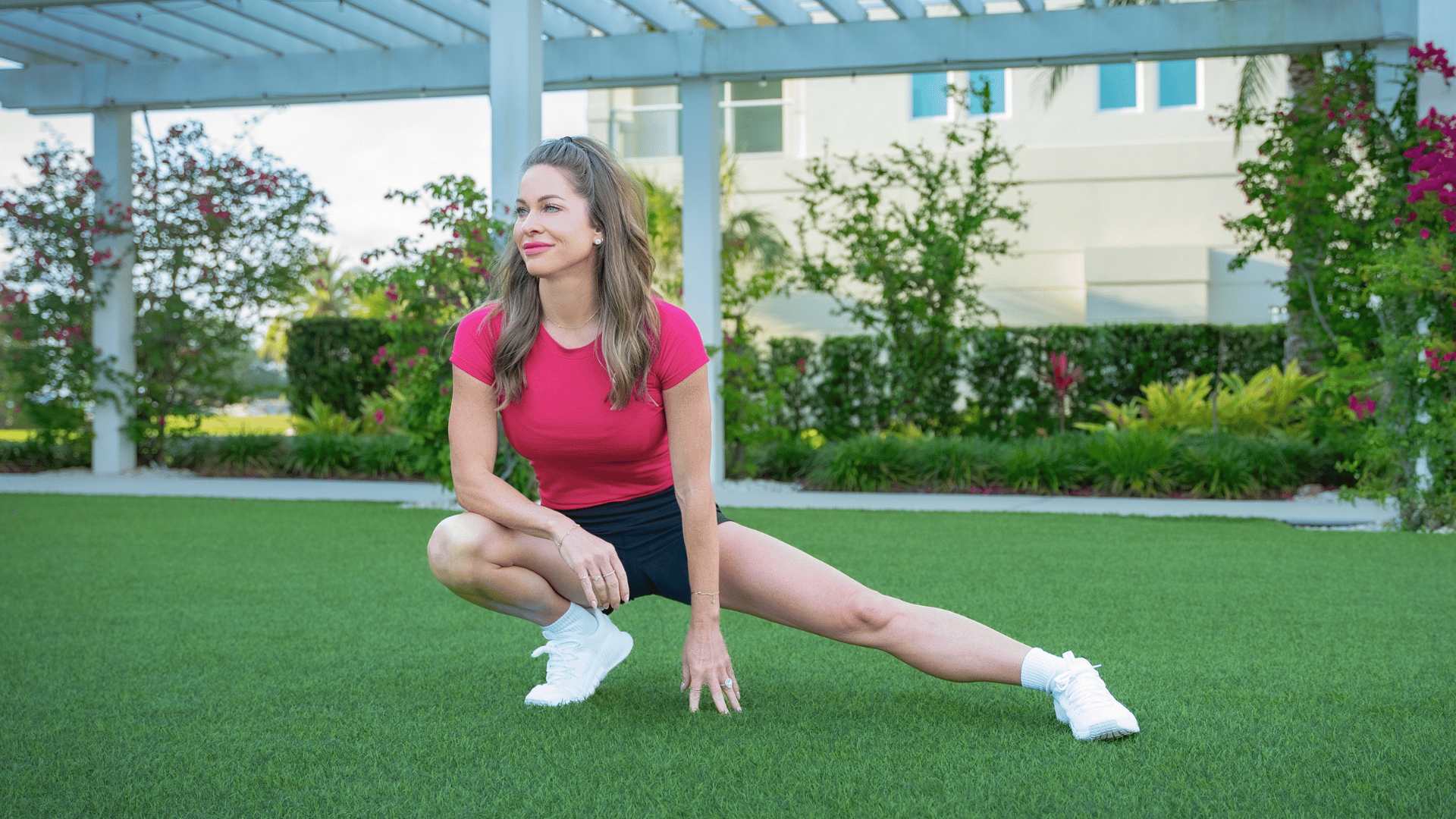
Ready to keep building?
Get the free FASTer Way lean legs guide for more support with your lower-body routine.