.svg)


If you’re taking a GLP-1 medication like semaglutide or tirzepatide, you may notice that your appetite starts whispering instead of shouting. Portions get smaller, cravings may calm down, and meals that used to feel normal can suddenly feel like a lot.
While that can support fat loss, it can also make it easier to unintentionally under-eat key nutrients your body still needs to stay strong, energized, and supported along the way. That’s where protein comes in.
Current GLP-1 nutrition guidance emphasizes paying close attention to protein intake, overall nutrition quality, and resistance training, so weight loss doesn’t come at the expense of lean muscle and nutritional status. (UCLA Health)
Why Protein Matters on a GLP-1
Protein matters on any nutrition plan, but it becomes even more important when you’re eating less overall.
It helps support lean muscle, recovery, fullness, and day-to-day strength. And because GLP-1 medications can reduce appetite and slow gastric emptying, some people unintentionally fall short on total calories and protein when they need both to stay nourished.
UCLA Health specifically notes that patients using these medications need proper nutrition, including enough protein, and should pair treatment with strength training to help preserve muscle. (UCLA Health)
In other words, if a GLP-1 helps you eat less, protein helps make sure “less” is still working for you and your metabolism.
So, How Much Protein Should You Eat on a GLP-1?
You don’t need to turn every meal into a math problem.
A simple, practical guideline that works well for many people on GLP-1 medications is this:
- Women: aim for about 25–35 grams of protein per meal
- Men: aim for about 35–45 grams of protein per meal
When you follow that consistently, it typically lands around:
- 90–120 grams per day for women
- 120–150 grams per day for men
These aren’t strict prescriptions. Think of them as a helpful framework to make protein feel more doable, especially on lower-appetite days.
Best High-Protein Foods to Eat on GLP-1 Medications
When appetite is low, protein needs to earn its place. The best options are usually the ones that are easy to prep, easy to tolerate, and easy to repeat.
Try options like:
- Dairy-free Greek yogurt
- Dairy-free cottage cheese
- Eggs or egg whites
- Chicken breast or shredded chicken
- Turkey
- Salmon, tuna, or shrimp
- Lean beef
- Tofu, tempeh, or edamame
- Protein shakes or smoothies
- Soups, bowls, or wraps built around a clear protein source
These options can make it much easier to hit a realistic protein goal without feeling like you need to sit down to a large, heavy meal.

Subscribe to our blog
Lorem ipsum dolor sit amet, consectetur adipiscing elit. Suspendisse varius enim in eros elementum tristique.

If you’re taking a GLP-1 medication like semaglutide or tirzepatide, you may notice that your appetite starts whispering instead of shouting. Portions get smaller, cravings may calm down, and meals that used to feel normal can suddenly feel like a lot.
While that can support fat loss, it can also make it easier to unintentionally under-eat key nutrients your body still needs to stay strong, energized, and supported along the way. That’s where protein comes in.
Current GLP-1 nutrition guidance emphasizes paying close attention to protein intake, overall nutrition quality, and resistance training, so weight loss doesn’t come at the expense of lean muscle and nutritional status. (UCLA Health)
Why Protein Matters on a GLP-1
Protein matters on any nutrition plan, but it becomes even more important when you’re eating less overall.
It helps support lean muscle, recovery, fullness, and day-to-day strength. And because GLP-1 medications can reduce appetite and slow gastric emptying, some people unintentionally fall short on total calories and protein when they need both to stay nourished.
UCLA Health specifically notes that patients using these medications need proper nutrition, including enough protein, and should pair treatment with strength training to help preserve muscle. (UCLA Health)
In other words, if a GLP-1 helps you eat less, protein helps make sure “less” is still working for you and your metabolism.
So, How Much Protein Should You Eat on a GLP-1?
You don’t need to turn every meal into a math problem.
A simple, practical guideline that works well for many people on GLP-1 medications is this:
- Women: aim for about 25–35 grams of protein per meal
- Men: aim for about 35–45 grams of protein per meal
When you follow that consistently, it typically lands around:
- 90–120 grams per day for women
- 120–150 grams per day for men
These aren’t strict prescriptions. Think of them as a helpful framework to make protein feel more doable, especially on lower-appetite days.
Best High-Protein Foods to Eat on GLP-1 Medications
When appetite is low, protein needs to earn its place. The best options are usually the ones that are easy to prep, easy to tolerate, and easy to repeat.
Try options like:
- Dairy-free Greek yogurt
- Dairy-free cottage cheese
- Eggs or egg whites
- Chicken breast or shredded chicken
- Turkey
- Salmon, tuna, or shrimp
- Lean beef
- Tofu, tempeh, or edamame
- Protein shakes or smoothies
- Soups, bowls, or wraps built around a clear protein source
These options can make it much easier to hit a realistic protein goal without feeling like you need to sit down to a large, heavy meal.
Subscribe to our blog
Lorem ipsum dolor sit amet, consectetur adipiscing elit. Suspendisse varius enim in eros elementum tristique.
How Much Protein Should I Eat While on a GLP-1?
If you’re taking a GLP-1 medication like semaglutide or tirzepatide, you may notice that your appetite starts whispering instead of shouting. Portions get smaller, cravings may calm down, and meals that used to feel normal can suddenly feel like a lot.
While that can support fat loss, it can also make it easier to unintentionally under-eat key nutrients your body still needs to stay strong, energized, and supported along the way. That’s where protein comes in.
Current GLP-1 nutrition guidance emphasizes paying close attention to protein intake, overall nutrition quality, and resistance training, so weight loss doesn’t come at the expense of lean muscle and nutritional status. (UCLA Health)
Why Protein Matters on a GLP-1
Protein matters on any nutrition plan, but it becomes even more important when you’re eating less overall.
It helps support lean muscle, recovery, fullness, and day-to-day strength. And because GLP-1 medications can reduce appetite and slow gastric emptying, some people unintentionally fall short on total calories and protein when they need both to stay nourished.
UCLA Health specifically notes that patients using these medications need proper nutrition, including enough protein, and should pair treatment with strength training to help preserve muscle. (UCLA Health)
In other words, if a GLP-1 helps you eat less, protein helps make sure “less” is still working for you and your metabolism.
So, How Much Protein Should You Eat on a GLP-1?
You don’t need to turn every meal into a math problem.
A simple, practical guideline that works well for many people on GLP-1 medications is this:
- Women: aim for about 25–35 grams of protein per meal
- Men: aim for about 35–45 grams of protein per meal
When you follow that consistently, it typically lands around:
- 90–120 grams per day for women
- 120–150 grams per day for men
These aren’t strict prescriptions. Think of them as a helpful framework to make protein feel more doable, especially on lower-appetite days.
Best High-Protein Foods to Eat on GLP-1 Medications
When appetite is low, protein needs to earn its place. The best options are usually the ones that are easy to prep, easy to tolerate, and easy to repeat.
Try options like:
- Dairy-free Greek yogurt
- Dairy-free cottage cheese
- Eggs or egg whites
- Chicken breast or shredded chicken
- Turkey
- Salmon, tuna, or shrimp
- Lean beef
- Tofu, tempeh, or edamame
- Protein shakes or smoothies
- Soups, bowls, or wraps built around a clear protein source
These options can make it much easier to hit a realistic protein goal without feeling like you need to sit down to a large, heavy meal.
.avif)
Download our Free Peptide Guide and get the basics, the buzz, and the must-knows all in one place.
What If Protein Feels Hard to Eat?
That’s not unusual.
Some days, eating enough can feel harder. Semaglutide labeling notes common GI side effects such as nausea, reflux, bloating, and fullness, which can impact appetite and intake.
A few practical ways to make protein easier:
- Eat protein first
- Keep meals smaller
- Choose softer or colder protein foods like dairy-free yogurt, shakes, eggs, or dairy free cottage cheese
- Spread intake throughout the day
- Keep a few no-cook protein options ready to go
If your body is asking for smaller meals, that does not mean you’re doing something wrong. It just means your strategy may need to get a little smarter.
How to Protect Lean Muscle on a GLP-1
This is where the basics still matter.
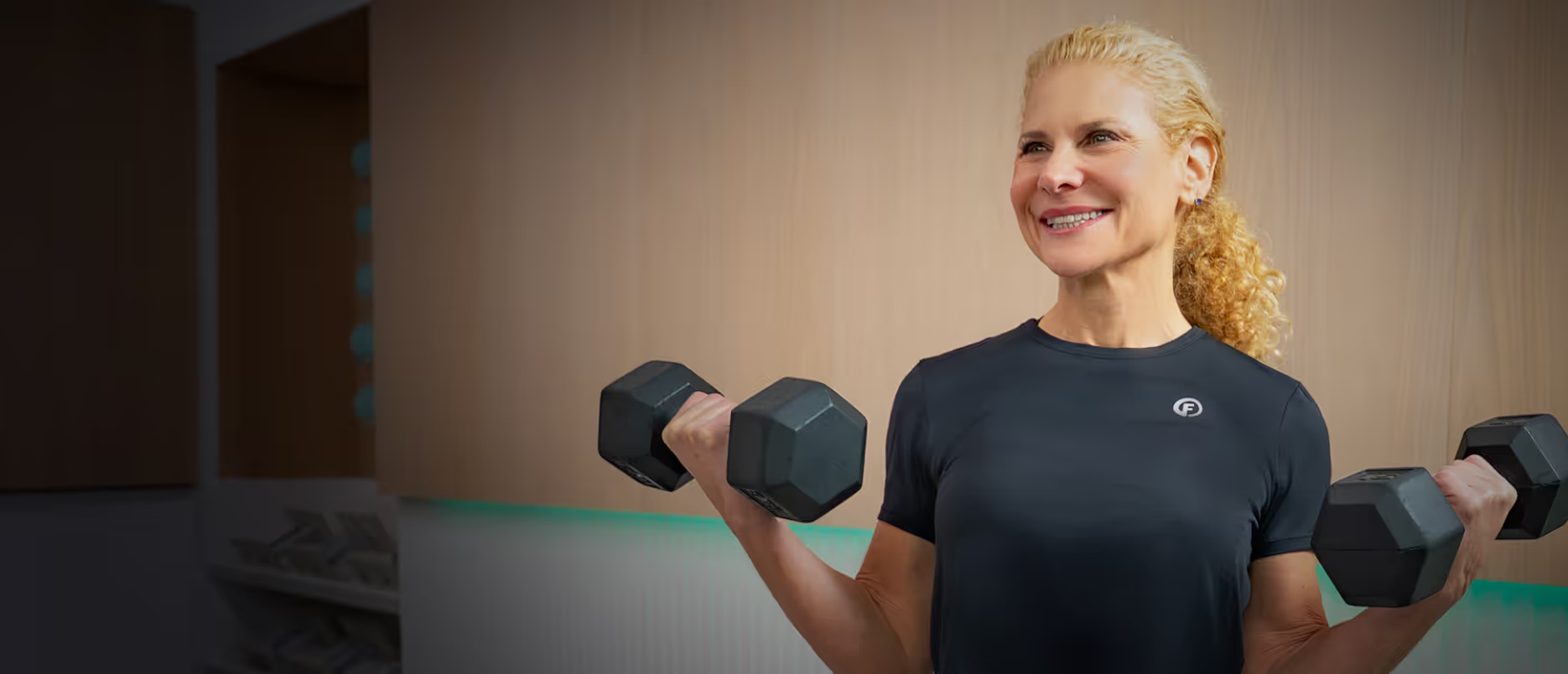
If your goal is fat loss while feeling strong and supported, protein and resistance training should go together.
UCLA Health and other recent clinical nutrition resources continue to emphasize that increased protein intake plus resistance training can help preserve muscle mass during GLP-1-supported weight loss. (UCLA Health)
Think:
- Protein at each meal
- Resistance training consistently
- Enough fluids
- Enough overall nutrition
- Not trying to “win” by eating as little as possible
That last one matters more than most people think.
A Simple One-Day Protein Example
For a woman aiming for around 100 grams per day:
- Breakfast: dairy-free Greek yogurt bowl (25g protein) with berries and chia seeds
- Lunch: chicken and veggie bowl (30g protein)
- Snack: protein shake (25g protein)
- Dinner: salmon with potatoes and green beans (25g protein)
For a man aiming for around 130 grams per day:
- Breakfast: eggs plus dairy-free Greek yogurt (35g protein)
- Lunch: turkey wrap with extra protein (35g protein)
- Snack: protein shake and fruit (25g protein)
- Dinner: chicken, rice, and vegetables (35g protein)
Not fancy. Not fussy. Just intentional.
Important Note
Protein needs can vary based on kidney health, pregnancy status, body size, medications, activity level, age, and medical history. Semaglutide labeling also notes pregnancy-related precautions and delayed gastric emptying, which is one reason personalized care matters. (FDA Access Data)
If you are struggling to eat enough, feel weak, have persistent reflux, or have a medical condition that affects nutrition needs, it’s best to check with your healthcare provider or a registered dietitian.
The Bottom Line
GLP-1 medications can be a helpful tool, but they work best when paired with intentional nutrition and strength-focused habits.
A practical protein goal for many people looks like this:
Women
- 25–35 grams per meal
- 90–120 grams per day
Men
- 35–45 grams per meal
- 120–150 grams per day
Pair that with strength training, hydration, and a realistic meal structure, and you have a much better chance of supporting lean muscle while working toward fat loss goals. (UCLA Health)
FAQ
How much protein should women eat on semaglutide or tirzepatide?
A helpful starting point for many women is 25–35 grams of protein per meal, or about 90–120 grams per day. This is a practical guideline, not individualized medical advice. (UCLA Health)
How much protein should men eat on semaglutide or tirzepatide?
A helpful starting point for many men is 35–45 grams of protein per meal, or about 120–150 grams per day, especially if preserving lean muscle is part of the goal. (UCLA Health)
Can GLP-1 medications cause muscle loss?
Any meaningful weight-loss phase can include some lean mass loss, which is why experts emphasize adequate protein and resistance training during GLP-1 use. (UCLA Health)
Does semaglutide cause heartburn?
It can for some people. FDA labeling lists dyspepsia and gastroesophageal reflux disease among common adverse reactions. (FDA Access Data)
Are protein shakes okay on GLP-1 medications?
They can be very helpful when appetite is low or whole meals feel too heavy, especially if they help you meet a more realistic protein target. (UCLA Health)
Ready to make your GLP-1 nutrition plan feel simpler?
Explore our coaching, meal-planning tools, and protein-forward strategies designed to support fat loss while helping you stay strong, nourished, and consistent.