.svg)


For many women, fat-loss frustration does not come from a lack of effort. It comes from doing a lot of the right things without enough structure. You clean up your meals, squeeze in workouts, and promise yourself you’ll be more disciplined. But if your protein intake is too low, your body has a harder time holding onto lean muscle, staying satisfied between meals, and recovering well from training.
That’s why protein has become one of the biggest wellness conversations right now, and honestly, it deserves the attention. Women are moving away from the old idea that eating less is always better. The smarter conversation is about eating enough of the right foods to support a strong metabolism, stable energy, and a body composition that feels healthy and sustainable.
So how much protein do women need for fat loss? The answer depends on your size, your goals, and your activity level, but here’s the practical truth: most women trying to lose fat and maintain lean muscle need more protein than they think.
Protein isn’t just for bodybuilders or women trying to get visibly muscular. It’s one of the most supportive nutrition tools for everyday wellness. It helps you feel fuller after meals, supports muscle repair after workouts, and can make macro tracking more effective because it gives your meals structure. When paired with strength training, it helps your body hold onto the lean muscle that keeps your metabolism working in your favor.
One of the biggest mistakes women make is assuming that a little protein here and there is enough. A yogurt at breakfast, a small salad with chicken at lunch, and whatever happens at dinner can sound healthy, but it often leaves you under-fueled. The result is that you may be technically eating “clean,” while still missing the nutrient that helps you feel strong, satisfied, and supported.
Why protein matters so much during fat loss
When your goal is fat loss, you’re asking your body to use stored energy. That can work beautifully when your nutrition is supportive, but if your protein intake is too low, your body doesn’t have the same support for muscle maintenance and recovery. That matters because lean muscle is metabolically active tissue. The more lean muscle you maintain, the better your body is positioned to support strength, performance, and long-term metabolic health.
Protein also supports satiety in a way that many women notice almost immediately. A balanced meal with adequate protein tends to keep you fuller, longer. That means fewer energy dips, fewer random cravings at three in the afternoon, and less white-knuckling your way through the day.
There’s also the recovery piece. FASTer Way has long emphasized strategic workouts, especially strength training, because building and preserving lean muscle changes the game. But those workouts need nutritional support. If you want toned arms, stronger legs, a firmer core, or better definition, your body needs the raw material to repair and rebuild.
So what’s a practical protein target?
Rather than obsessing over a single perfect number, think about protein in a target range. Most active women focused on fat loss and muscle maintenance do well with a protein intake that is high enough to support strength, satiety, and recovery across the full week, not just on workout days.
For many women, that means each meal should include a meaningful protein source instead of treating protein like an afterthought. A helpful rule of thumb is to build breakfast, lunch, and dinner around protein first, then add produce, smart carbs, and healthy fats around it. This approach is simple, but it changes everything.
That may look like eggs plus egg whites and turkey sausage at breakfast, grilled chicken with roasted vegetables and a starch at lunch, and salmon with potatoes and a salad at dinner. Or it may be lean beef, tofu, tempeh, shrimp, or a high-quality protein shake that helps you bridge a gap on a busy day. The exact foods can vary. The structure is what matters.
One reason women struggle to hit their protein goal is that breakfast is often too carb-heavy and lunch is too light. If breakfast is coffee and toast, and lunch is a salad with barely any protein, you’re playing catch-up all day. By dinner, you may feel ravenous and end up eating whatever is convenient. Front-loading more protein earlier in the day often makes the entire day feel easier.
How protein supports metabolism
Protein supports muscle maintenance, which matters for metabolic health. It also takes more energy for your body to digest compared with carbs and fats. That doesn’t mean protein is magic, but it does mean that eating enough protein can support a more favorable fat-loss environment than a low-protein plan built around snack foods and underpowered meals.
Protein also creates rhythm. Instead of grazing all day and hoping your eating is balanced by bedtime, you can use protein to anchor your meals. That rhythm supports better energy, more intentional choices, and less of the emotional swing that comes from feeling underfed.
This matters even more for women in a season of stress, busy workdays, or changing hormones. When life feels packed, protein can become one of the simplest ways to make your meals more supportive without turning wellness into a full-time job.
The best high-protein foods for women
The best protein sources are the ones you’ll eat consistently. That sounds obvious, but it matters. You don’t need a complicated list of trendy products to make this work.
Great options include:
- chicken breast or chicken thighs
- turkey
- salmon, tuna, cod, and shrimp
- lean ground beef
- eggs and egg whites
- tofu, tempeh, and edamame
- protein smoothies built around simple ingredients
If convenience is your biggest barrier, choose two or three proteins you can prep in advance. Cook a batch of chicken, hard-boil eggs, or blend a smoothie after your workout. Protein doesn’t have to be exciting every single time. It just has to be available.

Subscribe to our blog
Lorem ipsum dolor sit amet, consectetur adipiscing elit. Suspendisse varius enim in eros elementum tristique.
For many women, fat-loss frustration does not come from a lack of effort. It comes from doing a lot of the right things without enough structure. You clean up your meals, squeeze in workouts, and promise yourself you’ll be more disciplined. But if your protein intake is too low, your body has a harder time holding onto lean muscle, staying satisfied between meals, and recovering well from training.
That’s why protein has become one of the biggest wellness conversations right now, and honestly, it deserves the attention. Women are moving away from the old idea that eating less is always better. The smarter conversation is about eating enough of the right foods to support a strong metabolism, stable energy, and a body composition that feels healthy and sustainable.
So how much protein do women need for fat loss? The answer depends on your size, your goals, and your activity level, but here’s the practical truth: most women trying to lose fat and maintain lean muscle need more protein than they think.
Protein isn’t just for bodybuilders or women trying to get visibly muscular. It’s one of the most supportive nutrition tools for everyday wellness. It helps you feel fuller after meals, supports muscle repair after workouts, and can make macro tracking more effective because it gives your meals structure. When paired with strength training, it helps your body hold onto the lean muscle that keeps your metabolism working in your favor.
One of the biggest mistakes women make is assuming that a little protein here and there is enough. A yogurt at breakfast, a small salad with chicken at lunch, and whatever happens at dinner can sound healthy, but it often leaves you under-fueled. The result is that you may be technically eating “clean,” while still missing the nutrient that helps you feel strong, satisfied, and supported.
Why protein matters so much during fat loss
When your goal is fat loss, you’re asking your body to use stored energy. That can work beautifully when your nutrition is supportive, but if your protein intake is too low, your body doesn’t have the same support for muscle maintenance and recovery. That matters because lean muscle is metabolically active tissue. The more lean muscle you maintain, the better your body is positioned to support strength, performance, and long-term metabolic health.
Protein also supports satiety in a way that many women notice almost immediately. A balanced meal with adequate protein tends to keep you fuller, longer. That means fewer energy dips, fewer random cravings at three in the afternoon, and less white-knuckling your way through the day.
There’s also the recovery piece. FASTer Way has long emphasized strategic workouts, especially strength training, because building and preserving lean muscle changes the game. But those workouts need nutritional support. If you want toned arms, stronger legs, a firmer core, or better definition, your body needs the raw material to repair and rebuild.
So what’s a practical protein target?
Rather than obsessing over a single perfect number, think about protein in a target range. Most active women focused on fat loss and muscle maintenance do well with a protein intake that is high enough to support strength, satiety, and recovery across the full week, not just on workout days.
For many women, that means each meal should include a meaningful protein source instead of treating protein like an afterthought. A helpful rule of thumb is to build breakfast, lunch, and dinner around protein first, then add produce, smart carbs, and healthy fats around it. This approach is simple, but it changes everything.
That may look like eggs plus egg whites and turkey sausage at breakfast, grilled chicken with roasted vegetables and a starch at lunch, and salmon with potatoes and a salad at dinner. Or it may be lean beef, tofu, tempeh, shrimp, or a high-quality protein shake that helps you bridge a gap on a busy day. The exact foods can vary. The structure is what matters.
One reason women struggle to hit their protein goal is that breakfast is often too carb-heavy and lunch is too light. If breakfast is coffee and toast, and lunch is a salad with barely any protein, you’re playing catch-up all day. By dinner, you may feel ravenous and end up eating whatever is convenient. Front-loading more protein earlier in the day often makes the entire day feel easier.
How protein supports metabolism
Protein supports muscle maintenance, which matters for metabolic health. It also takes more energy for your body to digest compared with carbs and fats. That doesn’t mean protein is magic, but it does mean that eating enough protein can support a more favorable fat-loss environment than a low-protein plan built around snack foods and underpowered meals.
Protein also creates rhythm. Instead of grazing all day and hoping your eating is balanced by bedtime, you can use protein to anchor your meals. That rhythm supports better energy, more intentional choices, and less of the emotional swing that comes from feeling underfed.
This matters even more for women in a season of stress, busy workdays, or changing hormones. When life feels packed, protein can become one of the simplest ways to make your meals more supportive without turning wellness into a full-time job.
The best high-protein foods for women
The best protein sources are the ones you’ll eat consistently. That sounds obvious, but it matters. You don’t need a complicated list of trendy products to make this work.
Great options include:
- chicken breast or chicken thighs
- turkey
- salmon, tuna, cod, and shrimp
- lean ground beef
- eggs and egg whites
- tofu, tempeh, and edamame
- protein smoothies built around simple ingredients
If convenience is your biggest barrier, choose two or three proteins you can prep in advance. Cook a batch of chicken, hard-boil eggs, or blend a smoothie after your workout. Protein doesn’t have to be exciting every single time. It just has to be available.
Subscribe to our blog
Lorem ipsum dolor sit amet, consectetur adipiscing elit. Suspendisse varius enim in eros elementum tristique.
How Much Protein Do Women Need for Fat Loss and Lean Muscle?
For many women, fat-loss frustration does not come from a lack of effort. It comes from doing a lot of the right things without enough structure. You clean up your meals, squeeze in workouts, and promise yourself you’ll be more disciplined. But if your protein intake is too low, your body has a harder time holding onto lean muscle, staying satisfied between meals, and recovering well from training.
That’s why protein has become one of the biggest wellness conversations right now, and honestly, it deserves the attention. Women are moving away from the old idea that eating less is always better. The smarter conversation is about eating enough of the right foods to support a strong metabolism, stable energy, and a body composition that feels healthy and sustainable.
So how much protein do women need for fat loss? The answer depends on your size, your goals, and your activity level, but here’s the practical truth: most women trying to lose fat and maintain lean muscle need more protein than they think.
Protein isn’t just for bodybuilders or women trying to get visibly muscular. It’s one of the most supportive nutrition tools for everyday wellness. It helps you feel fuller after meals, supports muscle repair after workouts, and can make macro tracking more effective because it gives your meals structure. When paired with strength training, it helps your body hold onto the lean muscle that keeps your metabolism working in your favor.
One of the biggest mistakes women make is assuming that a little protein here and there is enough. A yogurt at breakfast, a small salad with chicken at lunch, and whatever happens at dinner can sound healthy, but it often leaves you under-fueled. The result is that you may be technically eating “clean,” while still missing the nutrient that helps you feel strong, satisfied, and supported.
Why protein matters so much during fat loss
When your goal is fat loss, you’re asking your body to use stored energy. That can work beautifully when your nutrition is supportive, but if your protein intake is too low, your body doesn’t have the same support for muscle maintenance and recovery. That matters because lean muscle is metabolically active tissue. The more lean muscle you maintain, the better your body is positioned to support strength, performance, and long-term metabolic health.
Protein also supports satiety in a way that many women notice almost immediately. A balanced meal with adequate protein tends to keep you fuller, longer. That means fewer energy dips, fewer random cravings at three in the afternoon, and less white-knuckling your way through the day.
There’s also the recovery piece. FASTer Way has long emphasized strategic workouts, especially strength training, because building and preserving lean muscle changes the game. But those workouts need nutritional support. If you want toned arms, stronger legs, a firmer core, or better definition, your body needs the raw material to repair and rebuild.
So what’s a practical protein target?
Rather than obsessing over a single perfect number, think about protein in a target range. Most active women focused on fat loss and muscle maintenance do well with a protein intake that is high enough to support strength, satiety, and recovery across the full week, not just on workout days.
For many women, that means each meal should include a meaningful protein source instead of treating protein like an afterthought. A helpful rule of thumb is to build breakfast, lunch, and dinner around protein first, then add produce, smart carbs, and healthy fats around it. This approach is simple, but it changes everything.
That may look like eggs plus egg whites and turkey sausage at breakfast, grilled chicken with roasted vegetables and a starch at lunch, and salmon with potatoes and a salad at dinner. Or it may be lean beef, tofu, tempeh, shrimp, or a high-quality protein shake that helps you bridge a gap on a busy day. The exact foods can vary. The structure is what matters.
One reason women struggle to hit their protein goal is that breakfast is often too carb-heavy and lunch is too light. If breakfast is coffee and toast, and lunch is a salad with barely any protein, you’re playing catch-up all day. By dinner, you may feel ravenous and end up eating whatever is convenient. Front-loading more protein earlier in the day often makes the entire day feel easier.
How protein supports metabolism
Protein supports muscle maintenance, which matters for metabolic health. It also takes more energy for your body to digest compared with carbs and fats. That doesn’t mean protein is magic, but it does mean that eating enough protein can support a more favorable fat-loss environment than a low-protein plan built around snack foods and underpowered meals.
Protein also creates rhythm. Instead of grazing all day and hoping your eating is balanced by bedtime, you can use protein to anchor your meals. That rhythm supports better energy, more intentional choices, and less of the emotional swing that comes from feeling underfed.
This matters even more for women in a season of stress, busy workdays, or changing hormones. When life feels packed, protein can become one of the simplest ways to make your meals more supportive without turning wellness into a full-time job.
The best high-protein foods for women
The best protein sources are the ones you’ll eat consistently. That sounds obvious, but it matters. You don’t need a complicated list of trendy products to make this work.
Great options include:
- chicken breast or chicken thighs
- turkey
- salmon, tuna, cod, and shrimp
- lean ground beef
- eggs and egg whites
- tofu, tempeh, and edamame
- protein smoothies built around simple ingredients
If convenience is your biggest barrier, choose two or three proteins you can prep in advance. Cook a batch of chicken, hard-boil eggs, or blend a smoothie after your workout. Protein doesn’t have to be exciting every single time. It just has to be available.
Common protein mistakes that keep women stuck
The first mistake is waiting until dinner to get serious about protein. The second is assuming a tiny serving counts as enough. The third is eating protein inconsistently, with one great day followed by three low-protein days in a row.
Another common issue is trying to chase fat loss with very low calories while still expecting your body to feel energized, recover well, and look toned. Undereating protein while strength training can leave you feeling flat, extra sore, and frustrated that your body doesn’t seem to reflect your effort.
There’s also a mindset mistake that comes up often: some women still worry that eating more protein will make them bulky. In real life, adequate protein paired with strategic training supports a lean, strong, athletic look. It helps you build the kind of definition so many women say they want.
What protein can look like in real life
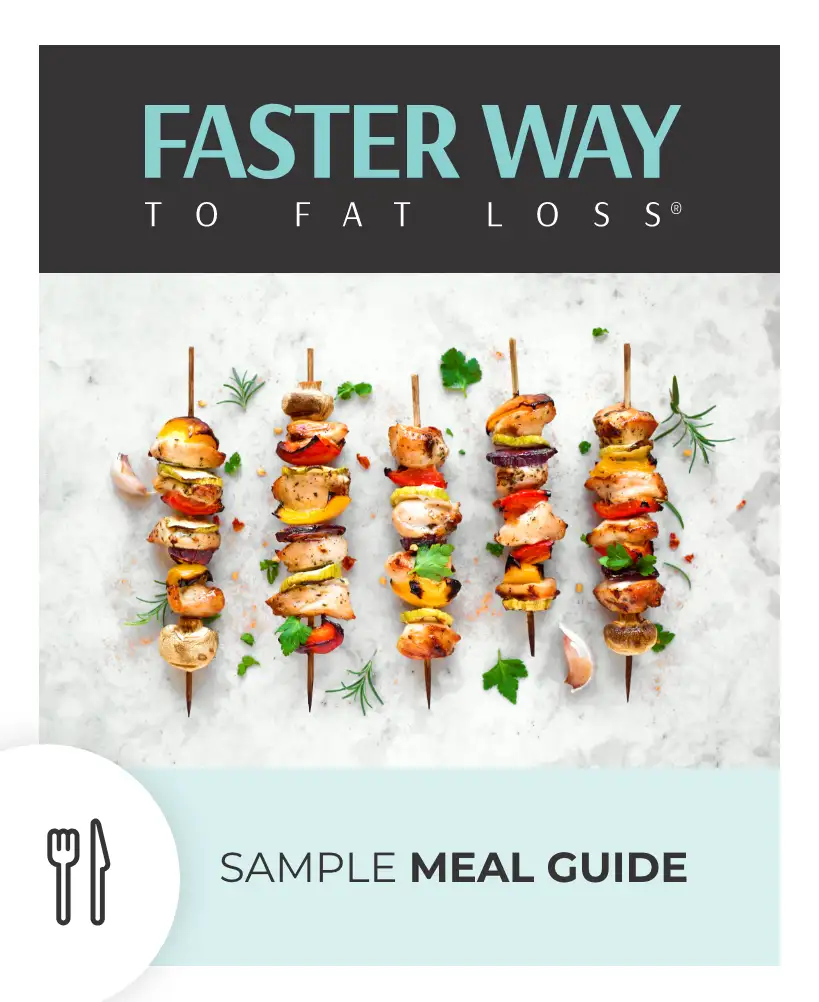
This doesn’t need to be extreme. It can look like adding egg whites to your breakfast scramble and building your lunch around leftover steak and roasted vegetables instead of crackers and hummus. It can look like making sure dinner has a real serving of salmon, not just a few bites. It can look like tossing a protein shake in your bag so your afternoon does not unravel into random snacks and low energy.
A helpful mindset shift is to stop asking whether your meal is “good” and start asking whether it’s supportive. Does it help you stay full? Does it support your workout? Does it make the next healthy choice easier? Protein usually plays a big role in those answers.
The FASTer Way perspective
At FASTer Way, nutrition is never meant to feel punishing. The goal isn’t to eat perfectly. The goal is to eat strategically. Protein works so well in that framework because it supports whole-food nutrition, macro awareness, lean muscle, and long-term consistency.
When women begin pairing adequate protein with strength training and a more intentional weekly rhythm, they often notice changes that go beyond the scale. Their hunger feels more manageable, workouts feel stronger, they recover better, their clothes fit differently, and they feel more in control because their plan is finally working with their body instead of against it.
The bottom line
If you’ve been asking how much protein women need for fat loss, the most practical answer is this: enough to support lean muscle, recovery, and satiety all week long. For most women, that means being more intentional than they have been in the past.
You don’t need to obsess. You don’t need to eat plain chicken seven times a day. You do need to stop treating protein like a side note.
Start by making protein the foundation of each meal. Build around foods you enjoy. Stay consistent long enough to notice the difference. That is when protein stops being another wellness buzzword and starts becoming one of the simplest tools for a leaner, stronger, more energized life.
.png)