.svg)


Fiber is one of the most underrated tools in a healthy routine.
It supports digestion, helps meals feel more satisfying, can support steadier energy, and pairs beautifully with protein for fat-loss goals. And yet, many women are not getting enough of it consistently.
That’s the fiber gap.
Most women don’t need a complicated wellness overhaul to feel better. They need a few strategic habits they can repeat on busy weekdays, during travel, after workouts, and in the middle of real life. Fiber fits perfectly into that kind of plan because it comes from whole foods that already belong in a strong nutrition routine: vegetables, fruit, beans, lentils, oats, chia seeds, flaxseed, potatoes, squash, quinoa, and other plant-based foods.
Rather than suddenly eating a giant salad at every meal or forcing yourself into foods you don’t enjoy, the goal is to build meals that work with your body, support your metabolism, and help you feel full without relying on restriction.
What Is Fiber?
Fiber is a type of carbohydrate found in plant foods. Unlike other carbohydrates, fiber is not fully broken down and absorbed by the body. Instead, it moves through the digestive system and supports several important functions along the way.
There are two main types of fiber: soluble and insoluble.
Soluble fiber dissolves in water and forms a gel-like texture during digestion. It’s found in foods like oats, beans, lentils, apples, chia seeds, flaxseed, and some vegetables. This type of fiber can help meals feel more satisfying and may support healthy cholesterol and blood sugar patterns as part of an overall balanced diet.
Insoluble fiber adds bulk and helps keep digestion moving. It’s found in foods like vegetables, whole grains, nuts, seeds, and fruit skins.
To keep it simple, most fiber-rich whole foods contain a mix. The practical takeaway is simple: eat a variety of plant foods across the week.
Why Fiber Matters
Fiber isn’t just a digestion topic. It’s a full-body support habit.
When you eat enough fiber, your meals tend to become more balanced naturally. You usually end up eating more produce, more whole-food carbohydrates, and more nutrient-dense meals. That can make your routine feel less like dieting and more like building a strong foundation.
Fiber supports several goals many women care about.
Fiber Helps With Fullness
One of the biggest benefits of fiber is satiety. High-fiber foods usually take longer to chew, digest more slowly, and add volume to meals. That means you can feel full and satisfied without needing to make meals tiny.
This is why a bowl with chicken, roasted vegetables, quinoa, avocado, and salsa often keeps you full longer than a low-protein, low-fiber snack bar. The volume, protein, fiber, and healthy fats are all working together.
For women pursuing fat loss, this matters. Feeling satisfied makes consistency easier. You’re less likely to spend the day fighting hunger, grazing from the pantry, or feeling like healthy eating requires constant willpower.

Subscribe to our blog
Lorem ipsum dolor sit amet, consectetur adipiscing elit. Suspendisse varius enim in eros elementum tristique.
.png)
Fiber is one of the most underrated tools in a healthy routine.
It supports digestion, helps meals feel more satisfying, can support steadier energy, and pairs beautifully with protein for fat-loss goals. And yet, many women are not getting enough of it consistently.
That’s the fiber gap.
Most women don’t need a complicated wellness overhaul to feel better. They need a few strategic habits they can repeat on busy weekdays, during travel, after workouts, and in the middle of real life. Fiber fits perfectly into that kind of plan because it comes from whole foods that already belong in a strong nutrition routine: vegetables, fruit, beans, lentils, oats, chia seeds, flaxseed, potatoes, squash, quinoa, and other plant-based foods.
Rather than suddenly eating a giant salad at every meal or forcing yourself into foods you don’t enjoy, the goal is to build meals that work with your body, support your metabolism, and help you feel full without relying on restriction.
What Is Fiber?
Fiber is a type of carbohydrate found in plant foods. Unlike other carbohydrates, fiber is not fully broken down and absorbed by the body. Instead, it moves through the digestive system and supports several important functions along the way.
There are two main types of fiber: soluble and insoluble.
Soluble fiber dissolves in water and forms a gel-like texture during digestion. It’s found in foods like oats, beans, lentils, apples, chia seeds, flaxseed, and some vegetables. This type of fiber can help meals feel more satisfying and may support healthy cholesterol and blood sugar patterns as part of an overall balanced diet.
Insoluble fiber adds bulk and helps keep digestion moving. It’s found in foods like vegetables, whole grains, nuts, seeds, and fruit skins.
To keep it simple, most fiber-rich whole foods contain a mix. The practical takeaway is simple: eat a variety of plant foods across the week.
Why Fiber Matters
Fiber isn’t just a digestion topic. It’s a full-body support habit.
When you eat enough fiber, your meals tend to become more balanced naturally. You usually end up eating more produce, more whole-food carbohydrates, and more nutrient-dense meals. That can make your routine feel less like dieting and more like building a strong foundation.
Fiber supports several goals many women care about.
Fiber Helps With Fullness
One of the biggest benefits of fiber is satiety. High-fiber foods usually take longer to chew, digest more slowly, and add volume to meals. That means you can feel full and satisfied without needing to make meals tiny.
This is why a bowl with chicken, roasted vegetables, quinoa, avocado, and salsa often keeps you full longer than a low-protein, low-fiber snack bar. The volume, protein, fiber, and healthy fats are all working together.
For women pursuing fat loss, this matters. Feeling satisfied makes consistency easier. You’re less likely to spend the day fighting hunger, grazing from the pantry, or feeling like healthy eating requires constant willpower.
Subscribe to our blog
Lorem ipsum dolor sit amet, consectetur adipiscing elit. Suspendisse varius enim in eros elementum tristique.
The Fiber Gap: How Women Can Eat More Fiber for Fullness, Gut Health, and Steady Energy
Fiber is one of the most underrated tools in a healthy routine.
It supports digestion, helps meals feel more satisfying, can support steadier energy, and pairs beautifully with protein for fat-loss goals. And yet, many women are not getting enough of it consistently.
That’s the fiber gap.
Most women don’t need a complicated wellness overhaul to feel better. They need a few strategic habits they can repeat on busy weekdays, during travel, after workouts, and in the middle of real life. Fiber fits perfectly into that kind of plan because it comes from whole foods that already belong in a strong nutrition routine: vegetables, fruit, beans, lentils, oats, chia seeds, flaxseed, potatoes, squash, quinoa, and other plant-based foods.
Rather than suddenly eating a giant salad at every meal or forcing yourself into foods you don’t enjoy, the goal is to build meals that work with your body, support your metabolism, and help you feel full without relying on restriction.
What Is Fiber?
Fiber is a type of carbohydrate found in plant foods. Unlike other carbohydrates, fiber is not fully broken down and absorbed by the body. Instead, it moves through the digestive system and supports several important functions along the way.
There are two main types of fiber: soluble and insoluble.
Soluble fiber dissolves in water and forms a gel-like texture during digestion. It’s found in foods like oats, beans, lentils, apples, chia seeds, flaxseed, and some vegetables. This type of fiber can help meals feel more satisfying and may support healthy cholesterol and blood sugar patterns as part of an overall balanced diet.
Insoluble fiber adds bulk and helps keep digestion moving. It’s found in foods like vegetables, whole grains, nuts, seeds, and fruit skins.
To keep it simple, most fiber-rich whole foods contain a mix. The practical takeaway is simple: eat a variety of plant foods across the week.
Why Fiber Matters
Fiber isn’t just a digestion topic. It’s a full-body support habit.
When you eat enough fiber, your meals tend to become more balanced naturally. You usually end up eating more produce, more whole-food carbohydrates, and more nutrient-dense meals. That can make your routine feel less like dieting and more like building a strong foundation.
Fiber supports several goals many women care about.
Fiber Helps With Fullness
One of the biggest benefits of fiber is satiety. High-fiber foods usually take longer to chew, digest more slowly, and add volume to meals. That means you can feel full and satisfied without needing to make meals tiny.
This is why a bowl with chicken, roasted vegetables, quinoa, avocado, and salsa often keeps you full longer than a low-protein, low-fiber snack bar. The volume, protein, fiber, and healthy fats are all working together.
For women pursuing fat loss, this matters. Feeling satisfied makes consistency easier. You’re less likely to spend the day fighting hunger, grazing from the pantry, or feeling like healthy eating requires constant willpower.
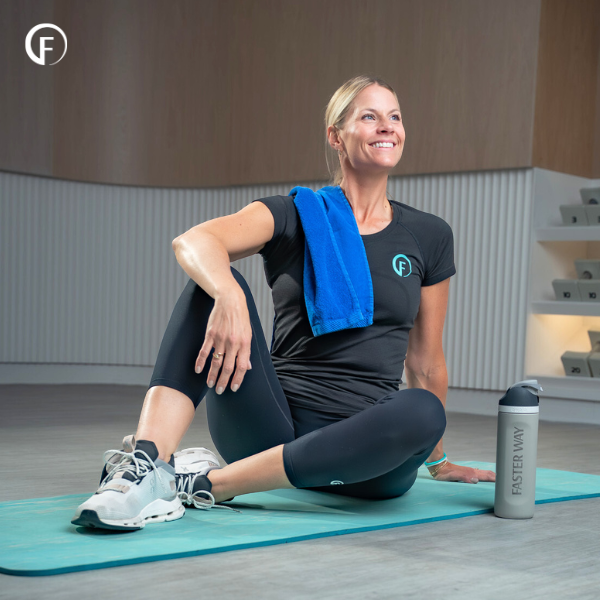
If you're ready to build lasting healthy habits and take a structured approach to your wellness journey, FASTer Way can help you get started.
Fiber Supports Gut Health
Fiber helps feed beneficial bacteria in the gut. These bacteria play a role in digestion and overall wellness, and fiber-rich foods help create a more supportive digestive environment.
A simple, consistent intake of fruits, vegetables, beans, lentils, seeds, and whole-food carbohydrates is a strong place to start.
Fiber Supports Steadier Energy
A meal that contains protein, fiber-rich carbohydrates, and healthy fats tends to provide more stable energy than a meal built mostly around refined carbohydrates or added sugar.
Think about the difference between a pastry and coffee for breakfast compared with eggs, berries, avocado, and oats. Both may provide energy, but one is more likely to carry you through the morning with less of a crash.
Fiber helps slow the pace of digestion, which can support steadier blood sugar patterns in a general wellness sense. That can be especially helpful during busy workdays, active mornings, and afternoons when cravings tend to get louder.
Fiber Pairs Well With Protein
At FASTer Way, protein is a major pillar because it supports lean muscle, strength training, recovery, and a healthy metabolism. Fiber is the perfect partner.
Protein helps you build and maintain muscle. Fiber helps your meals feel satisfying and nutrient-dense. Together, they create a plate that supports fat loss without making food feel restrictive.
A simple formula: protein plus fiber at most meals.
That could look like turkey lettuce wraps with berries, eggs with vegetables and avocado, salmon with roasted sweet potato and broccoli, or a protein smoothie with chia seeds and spinach.
How Much Fiber Do Women Need?
A common recommendation is about 14 grams of fiber for every 1,000 calories consumed. Many adult women land around 22 to 28 grams per day depending on age, calorie needs, and overall health context.
You don’t need to hit a perfect number overnight. In fact, jumping too quickly can lead to bloating, gas, or digestive discomfort. A better approach is to increase gradually and drink enough water as you go.
If you currently eat very little fiber, start by adding 5 grams per day for a week. Then build from there.
That could be as simple as adding:
- 1 tablespoon of chia seeds to a smoothie
- 1 cup of berries to breakfast
- 1/2 cup of beans to lunch
- An extra cup of vegetables at dinner
- A small potato with the skin
One small change can make a noticeable difference over time.
Why Increasing Fiber Too Fast Can Backfire
Fiber is powerful, but more is not always better right away.
If your current meals are low in fiber, your digestive system may need time to adjust. Going from very little fiber to a giant bean salad, chia pudding, raw vegetables, and lentil soup in one day can make you feel uncomfortable.
The smarter strategy is gradual progress.
Add one fiber-rich food at a time. Cook vegetables if raw ones bother your digestion. Rinse canned beans well. Drink water consistently. Pair fiber with protein and fats so your meals feel balanced.
If you have a digestive condition, are managing a medical concern, or have been told to follow a specific nutrition plan, check with a qualified healthcare professional before making major changes.
High-Fiber Foods to Add to Your Routine
The easiest fiber strategy is to build a list of foods you actually enjoy.
Here are strong options.
Berries: Raspberries and blackberries are especially fiber-rich and easy to add to breakfast, smoothies, yogurt bowls, or salads.
Beans and lentils: These are fiber powerhouses and also provide plant-based protein. Add them to bowls, soups, salads, tacos, or meal prep containers.
Chia seeds: A small serving adds fiber quickly. Try them in smoothies, chia pudding, overnight oats, or yogurt bowls.
Flaxseed: Ground flaxseed can be stirred into smoothies, oatmeal, or protein bites.
Avocado: Avocado provides fiber plus healthy fats, making meals more satisfying.
Oats: Oats are a great option for a balanced breakfast, especially when paired with protein.
Vegetables: Broccoli, Brussels sprouts, carrots, peppers, leafy greens, zucchini, and cauliflower all help build fiber intake.
Potatoes and sweet potatoes: Keep the skin when possible for extra fiber.
Apples and pears: These are easy, portable, and satisfying, especially when paired with protein or healthy fats.
Quinoa and whole-food grains: These can help round out meals with carbohydrates, fiber, and minerals.
The FASTer Way Plate Formula for More Fiber
If you want more fiber without tracking every gram, use this plate formula.
- Start with protein. Choose chicken, turkey, eggs, fish, lean beef, tofu, tempeh, Greek-style yogurt, protein powder, or another protein source that works for you.
- Add colorful plants. Aim for at least one vegetable or fruit at the meal. When possible, add two.
- Choose a strategic carb. This could be sweet potato, oats, rice, quinoa, beans, lentils, fruit, squash, or another whole-food carb that supports your day and training.
- Include healthy fats. Avocado, olive oil, nuts, seeds, or nut butter can help make meals satisfying.
This formula is flexible. It works for breakfast, lunch, dinner, and meal prep. It also fits well with macro awareness because you are building a plate that includes protein, carbs, fat, and fiber with intention.
Easy Ways to Add More Fiber Without Overthinking It
You don’t need to rebuild your entire kitchen. Start with upgrades.
- Add berries to your breakfast.
- Stir chia seeds into a smoothie.
- Add spinach to eggs.
- Use beans in taco bowls.
- Choose a potato with the skin.
- Add avocado to a salad.
- Snack on an apple with almond butter.
- Toss lentils into soup.
- Add extra vegetables to pasta sauce.
- Build a bowl with greens, protein, quinoa, and salsa.
Small additions add up quickly.
A Sample High-Fiber Day
Here’s what a realistic fiber-forward day could look like.
- Breakfast: Protein smoothie with berries, spinach, chia seeds, and unsweetened almond milk.
- Lunch: Grilled chicken bowl with greens, quinoa, black beans, peppers, salsa, and avocado.
- Snack: Apple slices with almond butter, or dairy-free yogurt with ground flaxseed and berries.
- Dinner: Salmon with roasted sweet potato, broccoli, and a side salad.
This kind of day supports fullness, energy, digestion, and training without feeling overly complicated.
Fiber and Carb Cycling
Fiber also fits beautifully into a carb cycling lifestyle.
On higher-carb training days, fiber-rich carbohydrates like oats, fruit, sweet potatoes, quinoa, beans, and rice bowls with vegetables can help fuel workouts and recovery.
On lower-carb days, fiber can come from non-starchy vegetables, chia seeds, flaxseed, avocado, leafy greens, and lower-sugar fruits like berries.
The point is flexibility. Fiber is not limited to one style of eating. It can support your meals across different macro targets and training days.
Fiber, Fasting, and Your First Meal
If you practice intermittent fasting, your first meal matters.
Breaking your fast with a balanced meal that includes protein and fiber can help you feel more satisfied and steady. A sugary, low-protein first meal may leave you hungry again quickly, while a protein-and-fiber meal gives your body more support.
Strong first-meal ideas include:
- Eggs with vegetables and avocado
- A protein smoothie with berries and chia
- Chicken bowl with greens and quinoa
- Greek-style dairy free yogurt with berries, flaxseed, and protein
- Turkey lettuce wraps with fruit on the side
A supportive first meal sets the tone for the rest of the day.
Fiber is one of the simplest ways to make healthy eating feel more satisfying.
It supports fullness, digestion, steady energy, and overall wellness. It pairs with protein, works with carb cycling, supports whole-food nutrition, and helps create meals that feel abundant instead of restrictive.
Start small. Add fiber gradually. Drink water. Build meals around protein and plants. Pay attention to how your body responds.
A few repeatable choices that make your routine feel easier, calmer, and more supportive go a long way.

Ready for More Structure?
If you want help turning habits like protein, fiber, strength training, macro awareness, and meal timing into a plan you can actually follow, explore the FASTer Way. You’ll get the structure, coaching, workouts, and nutrition support to build a routine that fits real life.