.svg)


Artificial intelligence is moving quickly into everyday wellness. You can ask a tool to organize a grocery list, adjust a workout when your schedule changes, summarize a week of habit data, or suggest a few dinner ideas from the ingredients already in your kitchen. For busy people who want to feel stronger, eat with more intention, and stay consistent, that kind of support can feel like a welcome exhale.
The real promise of AI in fitness and nutrition is greater clarity. Healthy living comes with hundreds of small decisions: what to eat, when to train, how hard to push, what to do when sleep was poor, and how to recover after a packed weekend. AI can help sort those decisions into a simpler next step, especially when it’s paired with a proven strategy and guidance you trust.
That doesn’t mean every AI recommendation will be right for every person. Wellness is personal, context matters, and technology cannot replace a qualified professional when medical care is needed. Used thoughtfully, though, AI can become a practical layer of support that helps you notice patterns, prepare for real life, and follow through on the habits that matter most.
What Does AI in Fitness and Nutrition Actually Mean?
In simple terms, AI-powered wellness tools use information to generate suggestions, spot patterns, and respond to questions. The information might include details you choose to share, such as your goals, food preferences, available workout time, training history, or habit check-ins. Some tools may also connect with data from a wearable or other app, depending on their features and your permissions.
A traditional app often gives every user the same static plan. An AI-supported experience can be more responsive. If you have 20 minutes instead of 30, it may help adapt the session. If you want a protein-forward lunch and need a dairy-free option, it may offer ideas that fit those preferences. If your consistency drops on Thursdays, it may help you plan for the schedule pressure that tends to show up that day.
The quality of the experience still depends on the quality of the strategy behind it. AI can deliver information quickly, but speed alone doesn’t create a sound wellness plan. The best tools keep recommendations grounded in clear principles, use responsible guardrails, and make it easy for the user to understand and choose the next action.
Five Ways AI Can Make Healthy Habits Easier
1. Turn a big goal into a doable next step
Goals such as “get stronger” or “eat healthier” are meaningful, but they can feel too broad at 6:30 on a busy Tuesday morning. AI can help translate that goal into a specific action: choose today’s workout, add a protein source to breakfast, prep two grab-and-go snacks, or schedule a short walk after dinner.
This matters because consistency grows through repeatable actions. A well-designed app can reduce the time between knowing what would help and actually doing it. The next step becomes visible, and progress feels more manageable.
2. Personalize options around real life
Personalization can go beyond age, height, or a target on the scale. Your available equipment, schedule, food preferences, experience level, and recovery needs all influence whether a plan will work in practice. An AI fitness app may help present an option that fits the day in front of you: a low-impact modification, a shorter strength session, a travel-friendly routine, or a meal idea built around what you already have.
Flexibility supports follow-through. When the only acceptable plan is the perfect plan, one disruption can derail the day. When you have an aligned alternative, you can keep your rhythm with confidence.
3. Reveal patterns that are easy to miss
A single workout or meal rarely tells the whole story. Patterns become more useful over time. You may notice that late meetings lead to skipped workouts, low-protein lunches leave you searching for snacks, or an inconsistent bedtime changes how energized you feel during strength training.
AI can help summarize the information you choose to track and bring those connections forward. A helpful insight might sound like, “Your afternoon energy check-ins are stronger on days when lunch includes protein, fiber, and water,” followed by a few practical ways to repeat that pattern.
4. Reduce meal-planning friction
Nutrition often becomes complicated before the food ever reaches the plate. There are recipes to find, ingredients to buy, preferences to manage, and portions to consider. AI can help with the planning layer by generating flexible meal ideas, creating a grocery list, offering ingredient swaps, or organizing a simple prep sequence.
The strongest nutrition guidance still leaves room for variety and common sense. A useful prompt might ask for four whole-food dinners that include a meaningful protein source, produce, a smart carbohydrate, and a healthy fat, with leftovers that can become lunch. That request gives the tool a clear framework and produces ideas that are easier to use than a random list of “healthy recipes.”
5. Make reflection faster and more useful
Many people know how to begin a wellness plan. The harder skill is adjusting it without overreacting. AI can support a quick weekly reflection by helping you review what went well, where friction appeared, and which one or two changes deserve attention next.
A missed workout may reveal a scheduling issue rather than a motivation problem. An unplanned dinner may show that the household needs one reliable backup meal. A week with low energy may be a reason to review sleep, hydration, fueling, training volume, and stress with appropriate support. Reflection turns experience into a better plan, and AI can make that process feel far less overwhelming.

Subscribe to our blog
Lorem ipsum dolor sit amet, consectetur adipiscing elit. Suspendisse varius enim in eros elementum tristique.
.png)
Artificial intelligence is moving quickly into everyday wellness. You can ask a tool to organize a grocery list, adjust a workout when your schedule changes, summarize a week of habit data, or suggest a few dinner ideas from the ingredients already in your kitchen. For busy people who want to feel stronger, eat with more intention, and stay consistent, that kind of support can feel like a welcome exhale.
The real promise of AI in fitness and nutrition is greater clarity. Healthy living comes with hundreds of small decisions: what to eat, when to train, how hard to push, what to do when sleep was poor, and how to recover after a packed weekend. AI can help sort those decisions into a simpler next step, especially when it’s paired with a proven strategy and guidance you trust.
That doesn’t mean every AI recommendation will be right for every person. Wellness is personal, context matters, and technology cannot replace a qualified professional when medical care is needed. Used thoughtfully, though, AI can become a practical layer of support that helps you notice patterns, prepare for real life, and follow through on the habits that matter most.
What Does AI in Fitness and Nutrition Actually Mean?
In simple terms, AI-powered wellness tools use information to generate suggestions, spot patterns, and respond to questions. The information might include details you choose to share, such as your goals, food preferences, available workout time, training history, or habit check-ins. Some tools may also connect with data from a wearable or other app, depending on their features and your permissions.
A traditional app often gives every user the same static plan. An AI-supported experience can be more responsive. If you have 20 minutes instead of 30, it may help adapt the session. If you want a protein-forward lunch and need a dairy-free option, it may offer ideas that fit those preferences. If your consistency drops on Thursdays, it may help you plan for the schedule pressure that tends to show up that day.
The quality of the experience still depends on the quality of the strategy behind it. AI can deliver information quickly, but speed alone doesn’t create a sound wellness plan. The best tools keep recommendations grounded in clear principles, use responsible guardrails, and make it easy for the user to understand and choose the next action.
Five Ways AI Can Make Healthy Habits Easier
1. Turn a big goal into a doable next step
Goals such as “get stronger” or “eat healthier” are meaningful, but they can feel too broad at 6:30 on a busy Tuesday morning. AI can help translate that goal into a specific action: choose today’s workout, add a protein source to breakfast, prep two grab-and-go snacks, or schedule a short walk after dinner.
This matters because consistency grows through repeatable actions. A well-designed app can reduce the time between knowing what would help and actually doing it. The next step becomes visible, and progress feels more manageable.
2. Personalize options around real life
Personalization can go beyond age, height, or a target on the scale. Your available equipment, schedule, food preferences, experience level, and recovery needs all influence whether a plan will work in practice. An AI fitness app may help present an option that fits the day in front of you: a low-impact modification, a shorter strength session, a travel-friendly routine, or a meal idea built around what you already have.
Flexibility supports follow-through. When the only acceptable plan is the perfect plan, one disruption can derail the day. When you have an aligned alternative, you can keep your rhythm with confidence.
3. Reveal patterns that are easy to miss
A single workout or meal rarely tells the whole story. Patterns become more useful over time. You may notice that late meetings lead to skipped workouts, low-protein lunches leave you searching for snacks, or an inconsistent bedtime changes how energized you feel during strength training.
AI can help summarize the information you choose to track and bring those connections forward. A helpful insight might sound like, “Your afternoon energy check-ins are stronger on days when lunch includes protein, fiber, and water,” followed by a few practical ways to repeat that pattern.
4. Reduce meal-planning friction
Nutrition often becomes complicated before the food ever reaches the plate. There are recipes to find, ingredients to buy, preferences to manage, and portions to consider. AI can help with the planning layer by generating flexible meal ideas, creating a grocery list, offering ingredient swaps, or organizing a simple prep sequence.
The strongest nutrition guidance still leaves room for variety and common sense. A useful prompt might ask for four whole-food dinners that include a meaningful protein source, produce, a smart carbohydrate, and a healthy fat, with leftovers that can become lunch. That request gives the tool a clear framework and produces ideas that are easier to use than a random list of “healthy recipes.”
5. Make reflection faster and more useful
Many people know how to begin a wellness plan. The harder skill is adjusting it without overreacting. AI can support a quick weekly reflection by helping you review what went well, where friction appeared, and which one or two changes deserve attention next.
A missed workout may reveal a scheduling issue rather than a motivation problem. An unplanned dinner may show that the household needs one reliable backup meal. A week with low energy may be a reason to review sleep, hydration, fueling, training volume, and stress with appropriate support. Reflection turns experience into a better plan, and AI can make that process feel far less overwhelming.
Subscribe to our blog
Lorem ipsum dolor sit amet, consectetur adipiscing elit. Suspendisse varius enim in eros elementum tristique.
AI in Fitness and Nutrition: How Smarter Personalization Can Make Healthy Habits Easier
Artificial intelligence is moving quickly into everyday wellness. You can ask a tool to organize a grocery list, adjust a workout when your schedule changes, summarize a week of habit data, or suggest a few dinner ideas from the ingredients already in your kitchen. For busy people who want to feel stronger, eat with more intention, and stay consistent, that kind of support can feel like a welcome exhale.
The real promise of AI in fitness and nutrition is greater clarity. Healthy living comes with hundreds of small decisions: what to eat, when to train, how hard to push, what to do when sleep was poor, and how to recover after a packed weekend. AI can help sort those decisions into a simpler next step, especially when it’s paired with a proven strategy and guidance you trust.
That doesn’t mean every AI recommendation will be right for every person. Wellness is personal, context matters, and technology cannot replace a qualified professional when medical care is needed. Used thoughtfully, though, AI can become a practical layer of support that helps you notice patterns, prepare for real life, and follow through on the habits that matter most.
What Does AI in Fitness and Nutrition Actually Mean?
In simple terms, AI-powered wellness tools use information to generate suggestions, spot patterns, and respond to questions. The information might include details you choose to share, such as your goals, food preferences, available workout time, training history, or habit check-ins. Some tools may also connect with data from a wearable or other app, depending on their features and your permissions.
A traditional app often gives every user the same static plan. An AI-supported experience can be more responsive. If you have 20 minutes instead of 30, it may help adapt the session. If you want a protein-forward lunch and need a dairy-free option, it may offer ideas that fit those preferences. If your consistency drops on Thursdays, it may help you plan for the schedule pressure that tends to show up that day.
The quality of the experience still depends on the quality of the strategy behind it. AI can deliver information quickly, but speed alone doesn’t create a sound wellness plan. The best tools keep recommendations grounded in clear principles, use responsible guardrails, and make it easy for the user to understand and choose the next action.
Five Ways AI Can Make Healthy Habits Easier
1. Turn a big goal into a doable next step
Goals such as “get stronger” or “eat healthier” are meaningful, but they can feel too broad at 6:30 on a busy Tuesday morning. AI can help translate that goal into a specific action: choose today’s workout, add a protein source to breakfast, prep two grab-and-go snacks, or schedule a short walk after dinner.
This matters because consistency grows through repeatable actions. A well-designed app can reduce the time between knowing what would help and actually doing it. The next step becomes visible, and progress feels more manageable.
2. Personalize options around real life
Personalization can go beyond age, height, or a target on the scale. Your available equipment, schedule, food preferences, experience level, and recovery needs all influence whether a plan will work in practice. An AI fitness app may help present an option that fits the day in front of you: a low-impact modification, a shorter strength session, a travel-friendly routine, or a meal idea built around what you already have.
Flexibility supports follow-through. When the only acceptable plan is the perfect plan, one disruption can derail the day. When you have an aligned alternative, you can keep your rhythm with confidence.
3. Reveal patterns that are easy to miss
A single workout or meal rarely tells the whole story. Patterns become more useful over time. You may notice that late meetings lead to skipped workouts, low-protein lunches leave you searching for snacks, or an inconsistent bedtime changes how energized you feel during strength training.
AI can help summarize the information you choose to track and bring those connections forward. A helpful insight might sound like, “Your afternoon energy check-ins are stronger on days when lunch includes protein, fiber, and water,” followed by a few practical ways to repeat that pattern.
4. Reduce meal-planning friction
Nutrition often becomes complicated before the food ever reaches the plate. There are recipes to find, ingredients to buy, preferences to manage, and portions to consider. AI can help with the planning layer by generating flexible meal ideas, creating a grocery list, offering ingredient swaps, or organizing a simple prep sequence.
The strongest nutrition guidance still leaves room for variety and common sense. A useful prompt might ask for four whole-food dinners that include a meaningful protein source, produce, a smart carbohydrate, and a healthy fat, with leftovers that can become lunch. That request gives the tool a clear framework and produces ideas that are easier to use than a random list of “healthy recipes.”
5. Make reflection faster and more useful
Many people know how to begin a wellness plan. The harder skill is adjusting it without overreacting. AI can support a quick weekly reflection by helping you review what went well, where friction appeared, and which one or two changes deserve attention next.
A missed workout may reveal a scheduling issue rather than a motivation problem. An unplanned dinner may show that the household needs one reliable backup meal. A week with low energy may be a reason to review sleep, hydration, fueling, training volume, and stress with appropriate support. Reflection turns experience into a better plan, and AI can make that process feel far less overwhelming.
.png)
FASTer Way is building a new app that uses AI to make fitness and nutrition guidance more personal, practical, and easier to use in real life. Join our beta waitlist group for early updates, opportunities to share feedback, and news about beta access.
What AI Should Never Decide for You
Good technology should help you understand your options and act with more confidence. It should not pressure you toward extremes, assign moral value to food, or treat every fluctuation in weight, hunger, energy, or performance as a problem to fix.
AI also cannot see your full health picture unless that information is provided, and even then it is not a substitute for individualized medical care. A general wellness app should not diagnose symptoms, change medication, prescribe treatment, or tell you to ignore professional guidance. If you are pregnant, managing a health condition, recovering from an injury, navigating disordered eating, or experiencing new or concerning symptoms, involve a qualified healthcare professional.
The most valuable AI experiences create space for human judgment. You should be able to ask why a suggestion was made, choose a modification, skip a recommendation, and recognize when a question belongs with a coach, registered dietitian, physical therapist, or medical provider.
How to Use an AI Fitness or Nutrition App Wisely
AI becomes more helpful when you use it with clear expectations. A few simple habits can improve the quality of the suggestions while keeping you in charge.
- Start with a specific goal. “Help me plan three strength sessions this week using dumbbells” gives the tool more useful direction than “make me fit.”
- Share relevant constraints. Include your available time, equipment, food preferences, cooking confidence, and schedule realities when the app supports those details.
- Treat suggestions as options. Review the recommendation, consider how you feel, and adjust it to fit your needs and trusted guidance.
- Look for trends instead of reacting to one data point. Sleep, appetite, performance, and scale weight naturally vary. Patterns across time offer better context.
- Protect your privacy. Review what information the app collects, why it is collected, how it is used, and which connections or permissions you can control.
- Escalate the right questions. Pain, persistent fatigue, significant digestive changes, medication questions, and other health concerns deserve qualified professional attention.
A Realistic Day With AI-Supported Wellness
Picture a Wednesday that begins with less sleep than you planned. Your calendar is crowded, the original workout window disappeared, and dinner needs to be fast. An AI-supported experience could help you make three calm adjustments.
- First, it could offer a shorter, lower-impact version of the planned workout based on the time and equipment you have. You still complete purposeful movement without forcing intensity that doesn’t match the day.
- Next, it could suggest a simple lunch from foods you already enjoy: a protein source, colorful produce, a fiber-rich carbohydrate, and a satisfying fat. If an ingredient is missing, it could generate a swap and update the grocery list.
- Finally, it could guide a 60-second evening check-in. You note that energy improved after lunch, the shorter workout felt good, and tomorrow needs a more protected training window. The app helps turn that reflection into a reminder or plan.
The value comes from reducing friction, adapting with intention, and preserving the habits that support strength, energy, and long-term progress.
The Human Side of Personalized Wellness
Fitness and nutrition are built through behavior, and behavior is deeply human. We need knowledge, but we also need encouragement, perspective, and a plan that can flex when life gets full. That is why the future of wellness should feel more connected, not more mechanical.
AI can make guidance easier to access at the moment a decision appears. A proven program can supply the structure. Coaches and community can bring context, accountability, and care. The individual brings goals, preferences, lived experience, and the final decision. Those elements work best together.
At FASTer Way, sustainable progress has always centered on practical strategies: strength training, intentional nutrition, recovery, and habits that fit real life. AI creates an opportunity to make that support more responsive and easier to navigate while keeping the fundamentals in focus.
Questions to Ask Before Choosing an AI Wellness Tool
The AI label alone doesn’t tell you whether an app is useful. Before you trust a tool with your time or personal information, look more closely at the experience behind the feature.
- Does the app explain what its recommendations are designed to support?
- Are the fitness and nutrition principles clear, practical, and aligned with sustainable habits?
- Can you personalize for schedule, preferences, experience, equipment, and accessibility needs?
- Does it offer modifications and encourage appropriate professional guidance?
- Can you understand and manage your data permissions?
- Does the experience help you take action without creating more anxiety or obsession?
A strong tool should leave you feeling more capable. The information should be understandable, the next step should be realistic, and your choices should remain visible throughout the experience.
A Smarter Future Starts With Better Support
AI in fitness and nutrition has the potential to make healthy choices feel more accessible, especially when it is used to simplify planning, personalize options, and highlight useful patterns. The technology is most powerful when it serves a clear wellness philosophy and respects the person using it.
You do not need more noise, more rules, or another plan that only works on ideal days. You need support that helps you move forward on a normal Tuesday, a travel week, a low-energy morning, and every imperfect season in between. Thoughtful AI can help make that support available right when you need it.
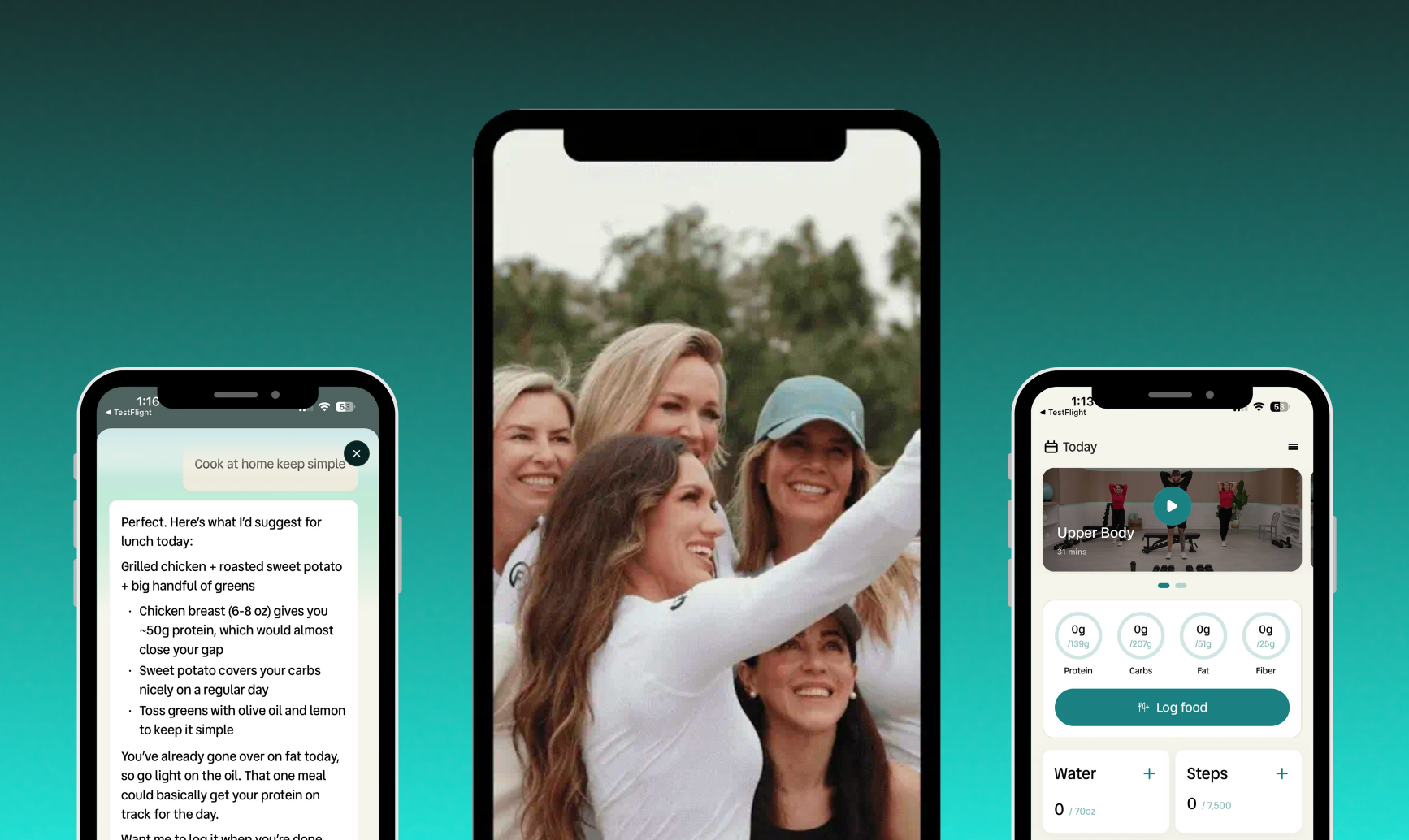
Get on the list for the new FASTer Way AI app
Ready to be part of the next chapter in personalized fitness and nutrition? Join our beta test group waitlist to receive launch updates and be considered for opportunities to test the experience and share what would make it most useful for real life.